FreshMinistries
Hover a section to see what's inside.
Solar-powered greenhouses, hands-on training, and local partnership, built to help communities grow their own food for the long term. Named for Archbishop Desmond Tutu, who gave the work his blessing.
When FreshMinistries asked to name this work after him, Archbishop Desmond Tutu was reluctant. He did not see the value in naming it after himself. Then he gave his blessing anyway. He wrote:
“Your program is quite exciting and has such a great potential for helping to eradicate poverty. You and your colleagues already have an enviable record of making a difference. I commend you and your colleagues on a superb record. Well done. I really don’t see what value there is in naming this splendid project after me. But that is what you seem to want. For what it is worth, I am willing for you to do that. God bless you.
-- Desmond Tutu

The Desmond Tutu Programme to End Global Hunger helps communities build food systems they can operate, sustain, and grow over time.
Using solar-powered greenhouses, water-efficient production, hands-on training, refrigeration, dehydration, and local market development, the programme equips communities to produce fresh food, reduce waste, create jobs, and strengthen local economies.
This is not short-term food aid. It is long-term food capacity, built with local partners and designed to be led by the communities it serves.
Proven systems work best when they are placed in local hands. The Desmond Tutu Programme to End Global Hunger works with community partners, universities, churches, NGOs, and local leaders to build food-production systems that can be operated, sustained, and expanded by the communities they serve.
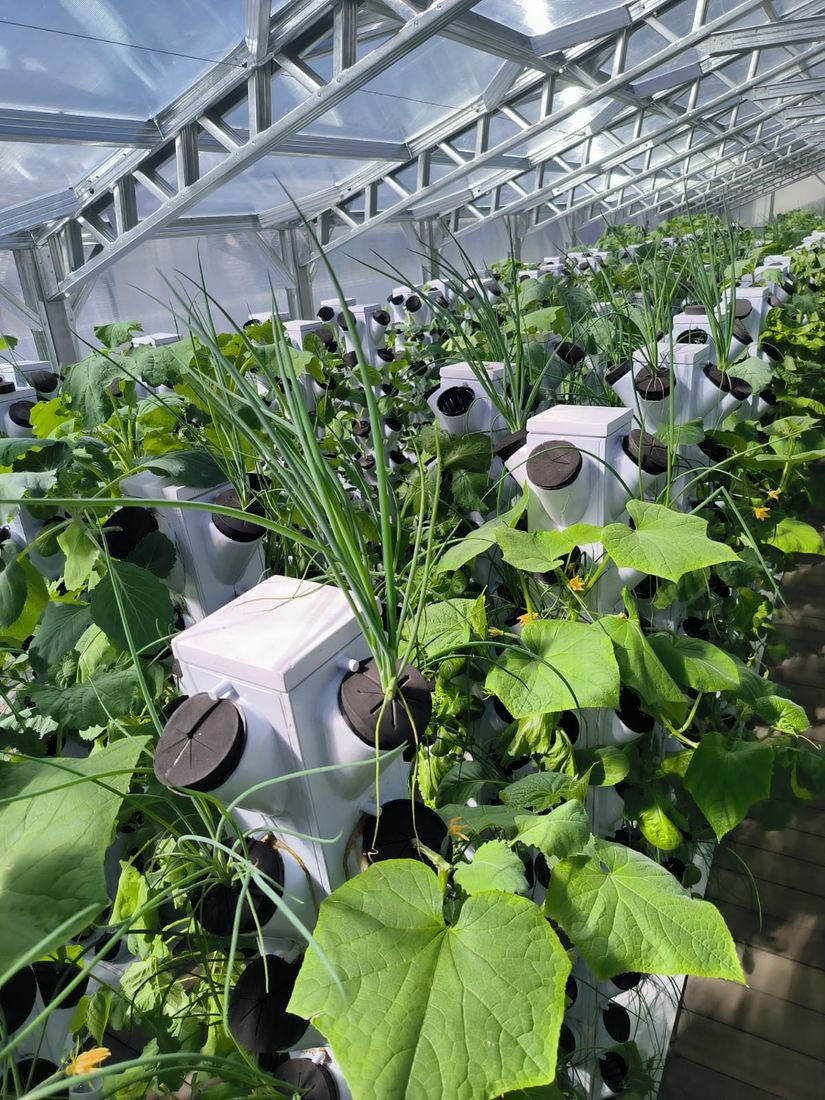
Each greenhouse combines water-efficient growing, solar power, real-time monitoring, and hands-on training. Around the greenhouse, Harvest Hubs add refrigeration, dehydration, storage, and distribution so fresh food lasts longer and creates more local value.
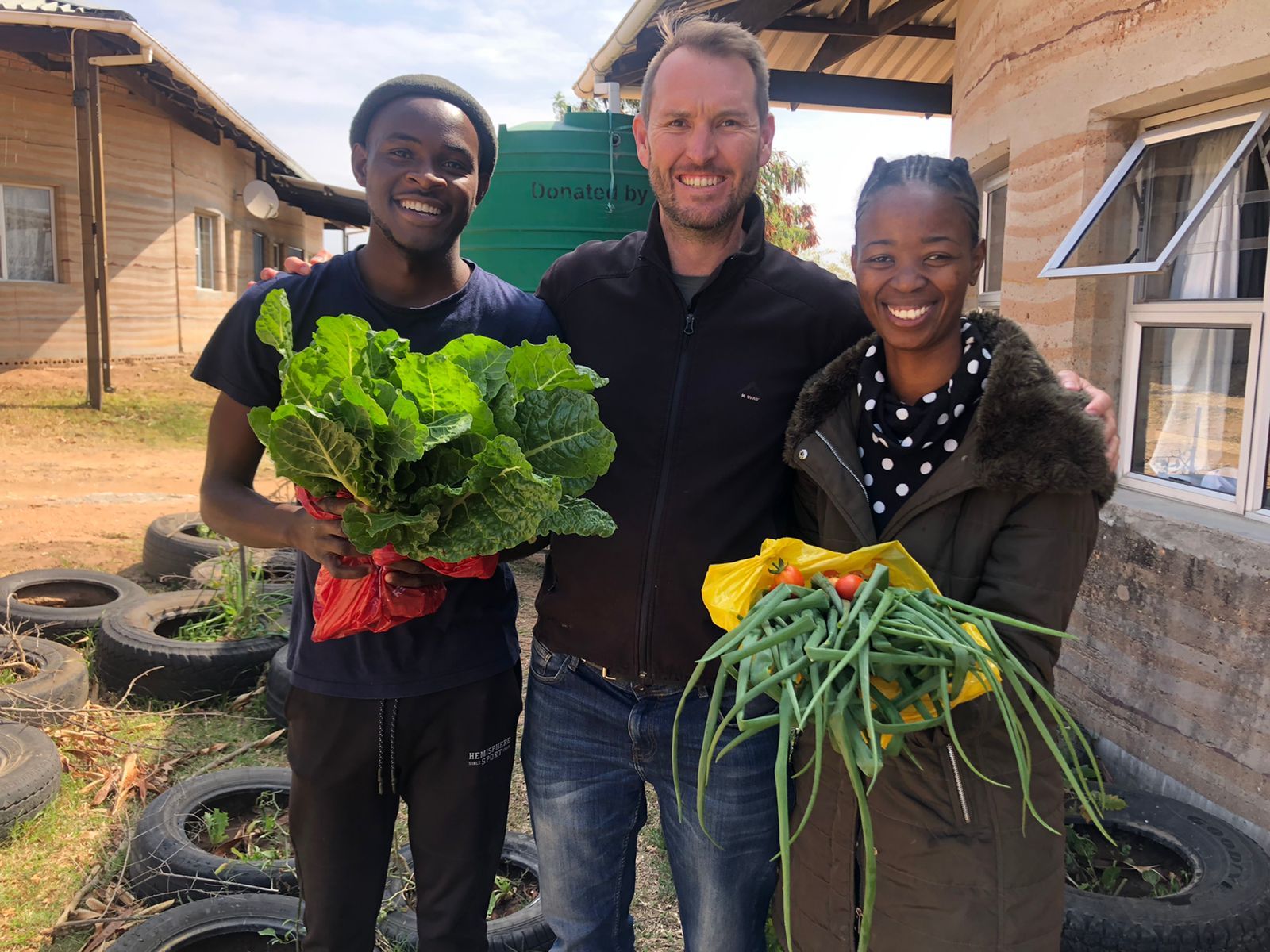
FreshMinistries brings the model, technical training, and ongoing support. Local partners bring leadership, land, workers, relationships, and community knowledge. Together, the goal is to build locally led food systems that feed people, train people, employ people, and grow stronger over time.
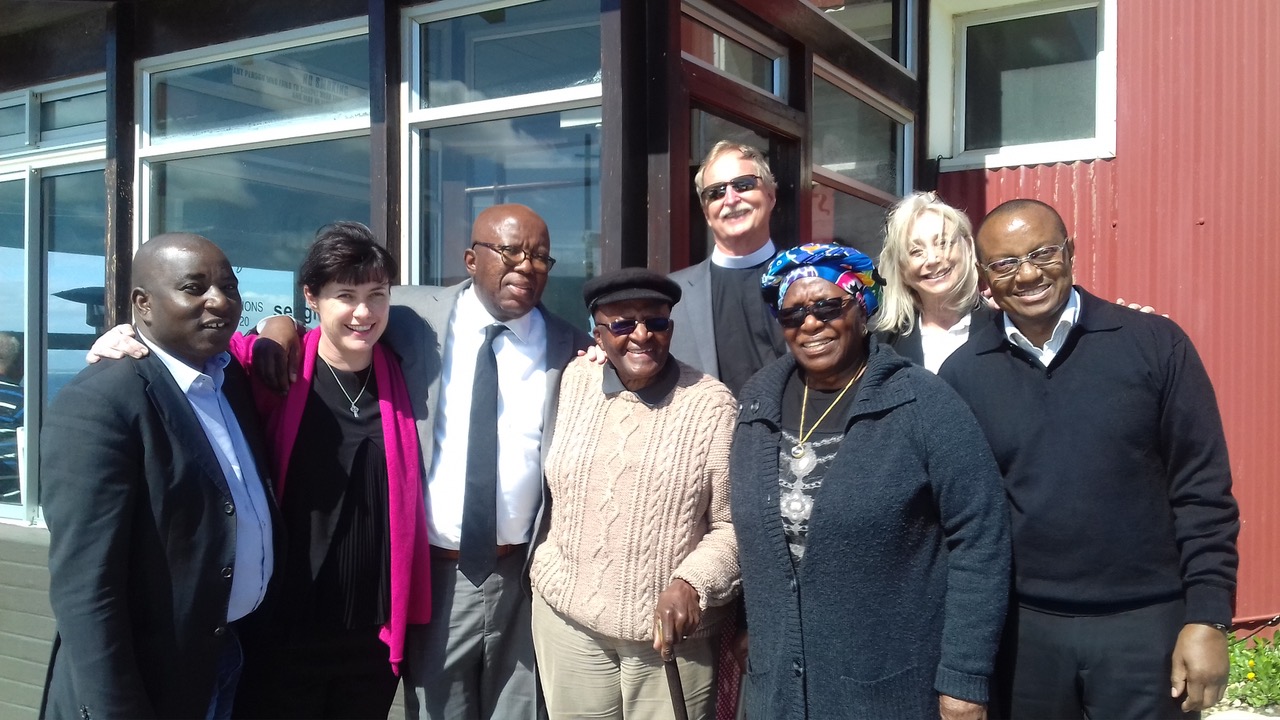
In 2022, bishops from across the worldwide Anglican Communion gathered at the Lambeth Conference, where global hunger was one of the urgent needs discussed. FreshMinistries brought forward a practical response: community-based greenhouse systems designed to grow food locally, train local teams, and support long-term food security.
Following that gathering, 220 bishops pledged support for greenhouse projects in their provinces, demonstrating local demand, community readiness, and church leadership, and helping funders see where investment can have immediate and lasting impact.
The invitation remains open: a locally led food-production center for communities, dioceses, and parishes ready to grow their own future.
The programme trains local teams to run their own farms. Training runs six weeks, in three phases, and every farm sends at least two people. It begins in a classroom and ends on the farmer's own site.
Phase one
Classroom and lab
One week at a working training farm in Johannesburg. Applied classroom and laboratory instruction in how a farm is built, run, and kept running: the science and the business of aquaponics, food safety, solar and water systems, operations, logistics, and day-to-day management.
Phase two
Hands-on
Three weeks on a real, working farm that grows and sells its own produce. Work-based learning, plus life-skills training for running a business: leadership, planning, and managing people.
Phase three
On-site
Two weeks on the farmer's own newly built farm, working beside a qualified trainer: planting the first seedlings, transplanting to the towers, water testing, filtration, solar-array care, and choosing what to grow.
The goal is a farmer who can run the operation on their own. Support and help stay available afterward, but the point of the training is self-sufficiency. In each country served, the local Anglican partners also send representatives to complete the course.
The programme starts where the need is hardest and the ground is toughest: places chosen for food insecurity, thin infrastructure, and land that fights the people who farm it. A few of them.
The worst drought in forty years has pushed families in the south to the edge. Most of them live on what they can grow, herd, or catch.
Flood in some places, drought in others, in the same season. Millions face hunger, and children are the most exposed.
More than half the country lives below the poverty line, and hard rains have cut what the harvest brings in.
Most of the rural population lives below the poverty line, and about a third of the country faces food insecurity in a hard year.
These are the conditions the programme is built to change. Not with food shipped in, but with food a community can grow, store, and sell for itself.
This work goes farm by farm, community by community. A gift helps stock a greenhouse, train a local team, and keep fresh food growing where it is needed most. Give today, and we will show you where it goes.