An Operating Platform for Food Systems
NativeFresh opened in 2017 as a working aquaponics farm designed to produce fresh food, build technical skills, and test practical approaches to community-based food production.
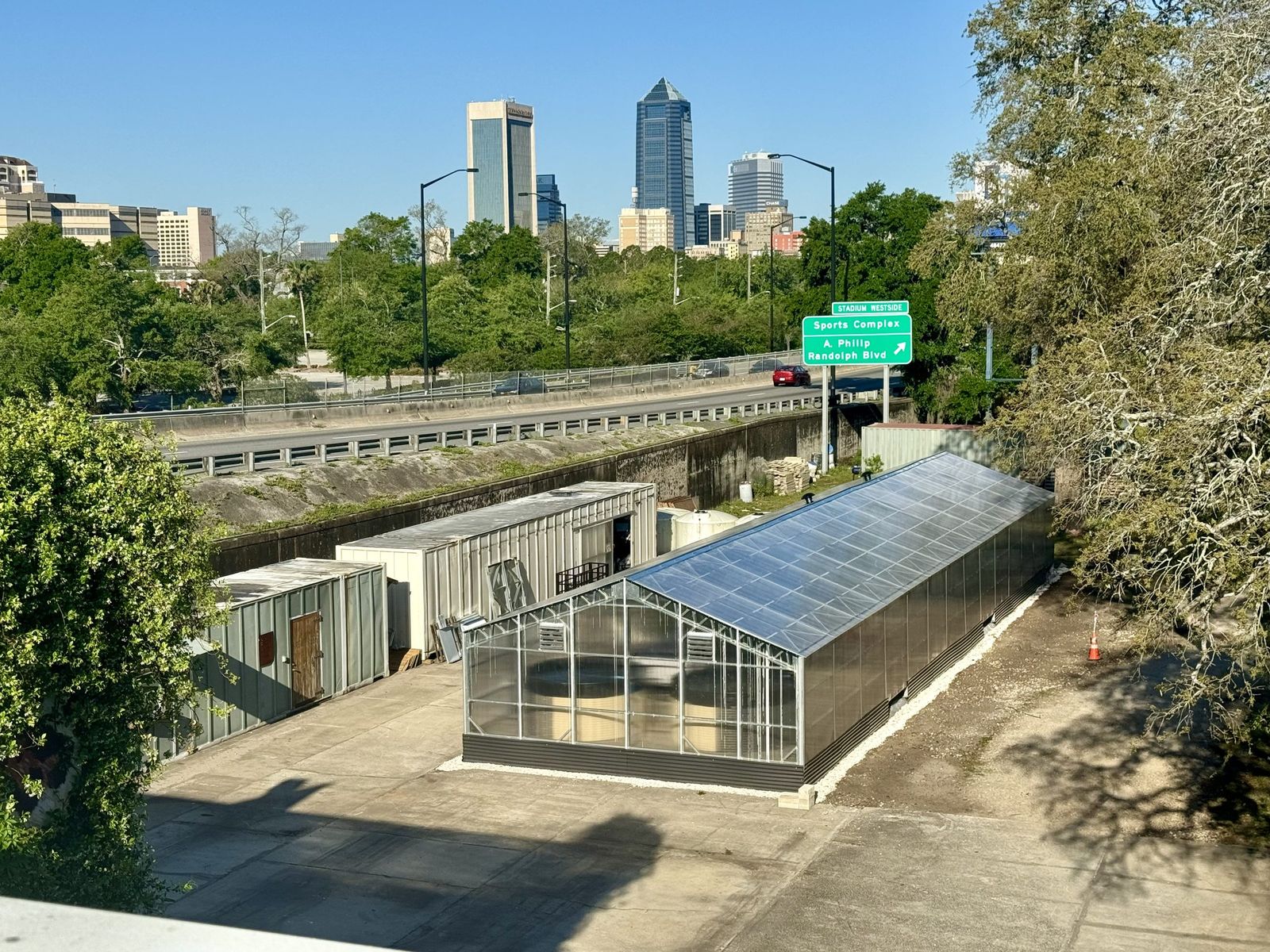
In 2024, FreshMinistries rebuilt the facility as a standardized, off-grid greenhouse that brings together production, training, food-safety practice, and system development. The facility provides a real operating environment in which staff, trainees, and partners can develop the knowledge and discipline required to manage a controlled-environment food-production system effectively.
NativeFresh is not simply a demonstration site. It is a working platform for refining systems, strengthening procedures, and translating operating experience into practical models for communities and institutions.
Food Safety
NativeFresh operates under USDA Harmonized GAP–certified food-safety practices, supporting disciplined production, handling, sanitation, traceability, and quality-management procedures.
Production Designed for Learning and Reliability
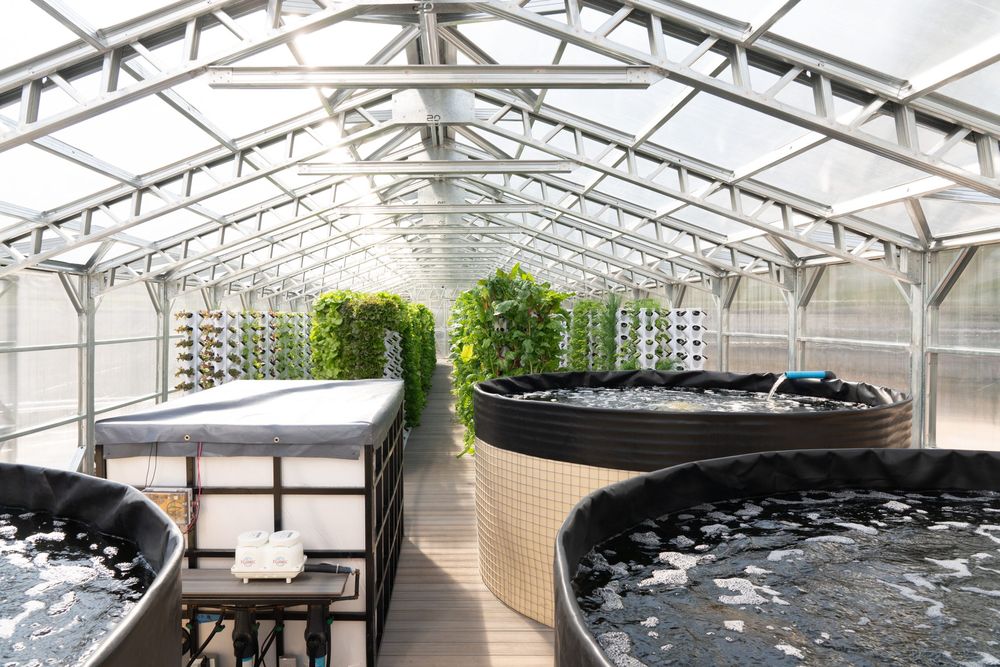
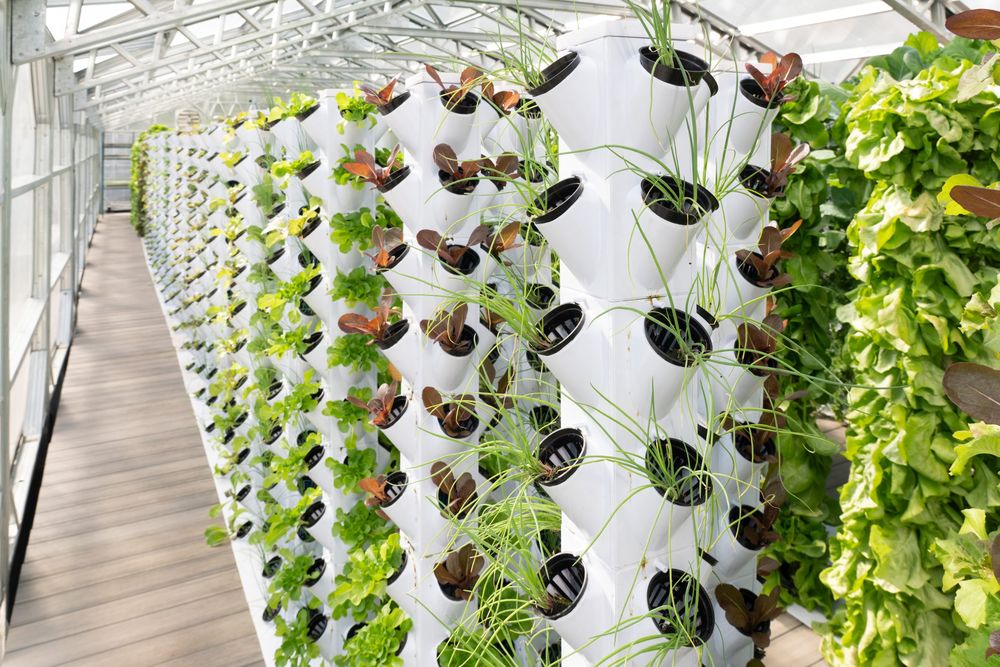
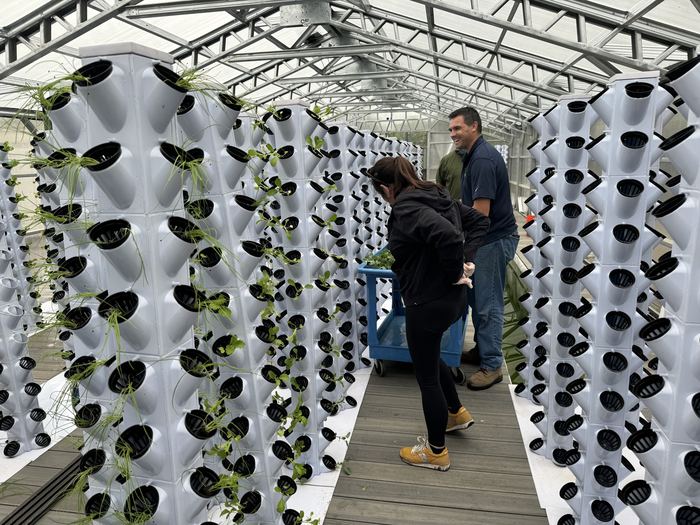
NativeFresh integrates aquaponics, hydroponics, tower culture, filtration, renewable energy, sensors, and remote monitoring within one engineered greenhouse environment. These systems support year-round food production while enabling operators to monitor performance, manage water quality, maintain equipment, and respond quickly to changing conditions.
The facility is designed to help teams understand the full set of operational responsibilities behind reliable food production: crop planning, water and nutrient management, food safety, maintenance, harvesting, post-harvest handling, and market readiness.
Its standardized design also creates a common point of reference for partners preparing to operate similar systems in their own communities.
Completely off-grid
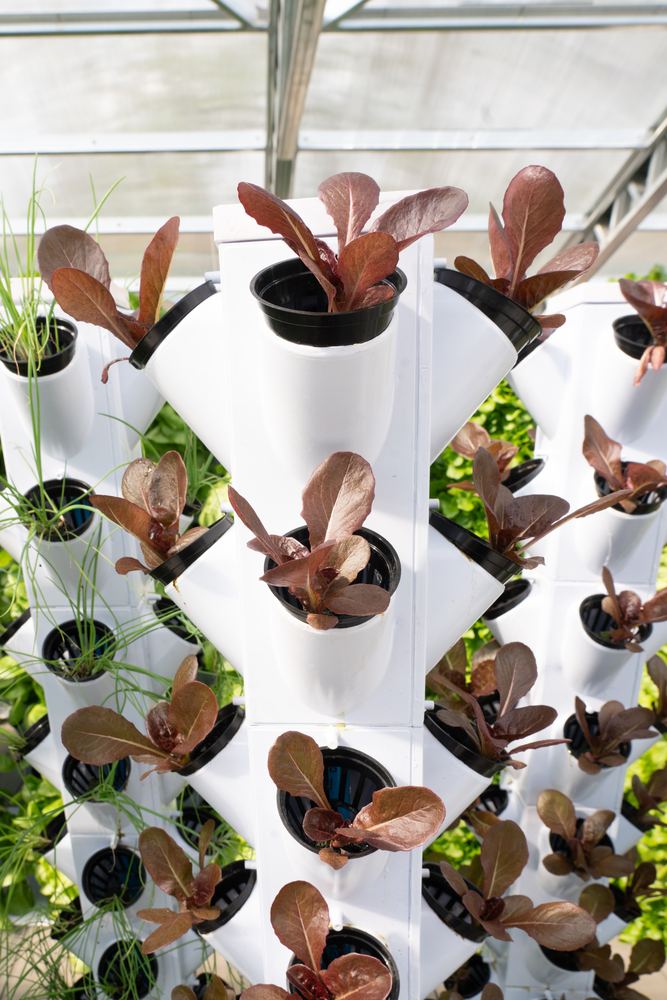
Tower culture, patent pending
Real-time monitoring
Advanced filtration
Engineered greenhouse
Training for Local Operation
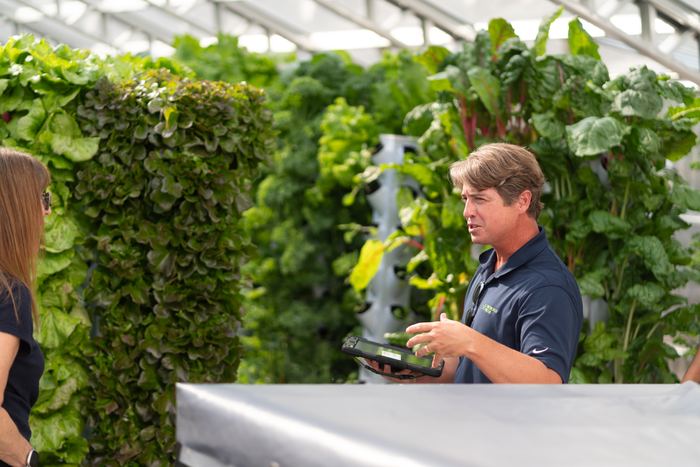
NativeFresh serves as a hands-on training resource for local participants and partner organizations. Training is grounded in live operations, helping participants build technical capability alongside the professional habits required for dependable day-to-day management.
For local trainees, the facility creates exposure to food production, food safety, equipment maintenance, logistics, and workforce expectations. For institutional and community partners, it offers direct experience with the systems, procedures, and operating practices that can support locally managed food-production facilities.
The goal is practical local capacity: teams equipped not only to understand a system, but to operate, maintain, improve, and lead it over time.
Become a partner
Standardized Systems for Different Contexts
FreshMinistries’ food-production systems are designed in scalable configurations that can be adapted to local space, production needs, and operating capacity.
Model 1
Approximately 2,200 square feet
A full-scale production, training, and demonstration facility. NativeFresh is a Model 1 system.
Model 2
Approximately 1,100 square feet
A mid-scale system suited to community-based production, training, and local market development.
Model 3
Approximately 650 square feet
A compact system designed for focused production, learning, and site-specific use.
Across configurations, the emphasis remains the same: sound operating practice, local training, food safety, and systems that can be managed over time.