Food production, cold storage, power, water, and training in one place, run by the community it feeds.
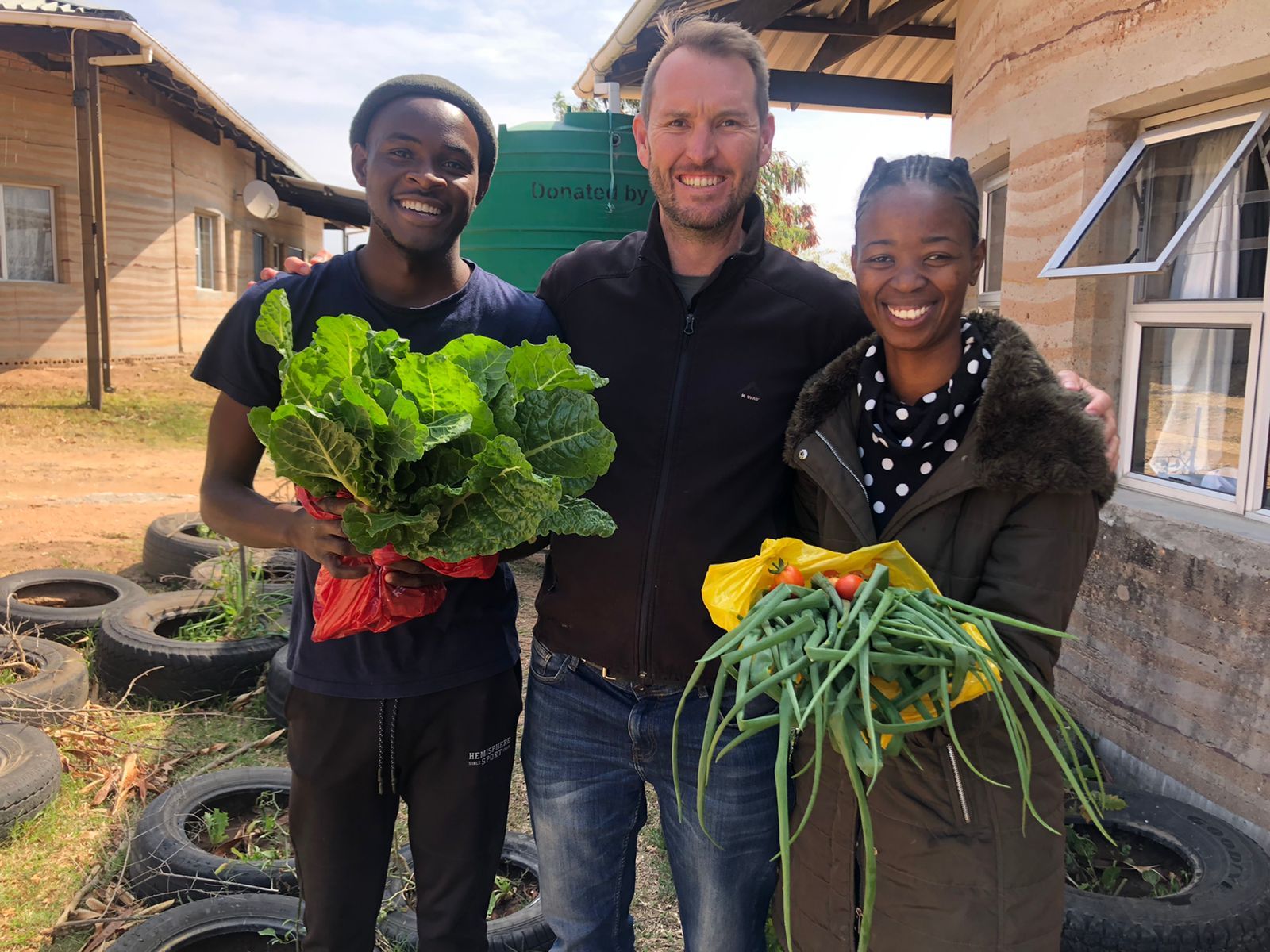
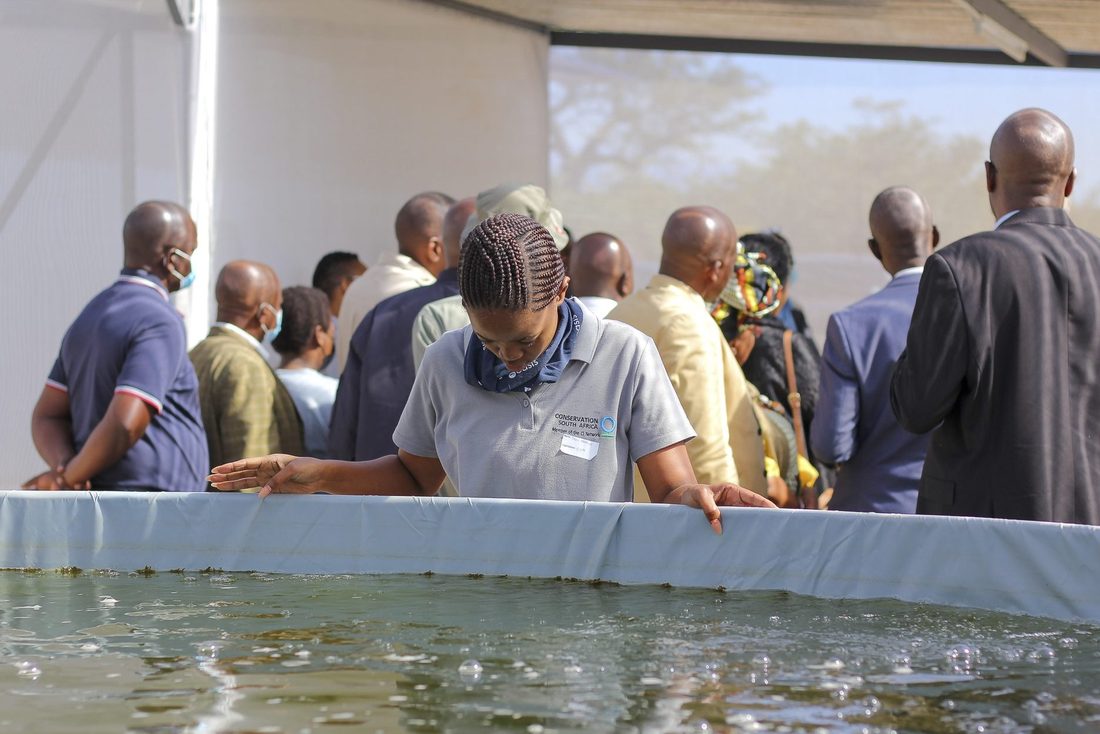
Growers with a morning's harvest, South AfricaThe Desmond Tutu Programme to End Global Hunger
A season turns dry and the field gives up. A road floods and the trucks stop coming. The market two towns over has tomatoes; you have bus fare or you don't. Aid trucks help, until they leave.
The conditions that make food hard to grow are spreading: unreliable rain, worn-out land, unstable power, heat, and a harvest that spoils before it reaches a market. Farmers face them on every continent.
in crops and livestock lost to disasters since 1991
Source 1people faced hunger in 2025, about 7.8 percent of the world
Source 2people cannot afford a healthy diet
Source 2children under five live in severe food poverty, about 1 in 4
Source 3of the world's food is lost or wasted before anyone eats it
Source 4
Around the world, a large share of what farmers grow is lost between field and plate. In sub-Saharan Africa, where the first hubs are going up, perishable food travels roughly 4,000 kilometers and 23 days to reach a buyer. Up to 40 percent spoils before anyone eats it. (5)
Food lost for lack of cold storage alone could feed an estimated one billion people. (4)
A cold room and a dryer change that math. The harvest keeps. The farmer gets time, and options, and a price.
people could be fed on the food lost to a missing cold chain.
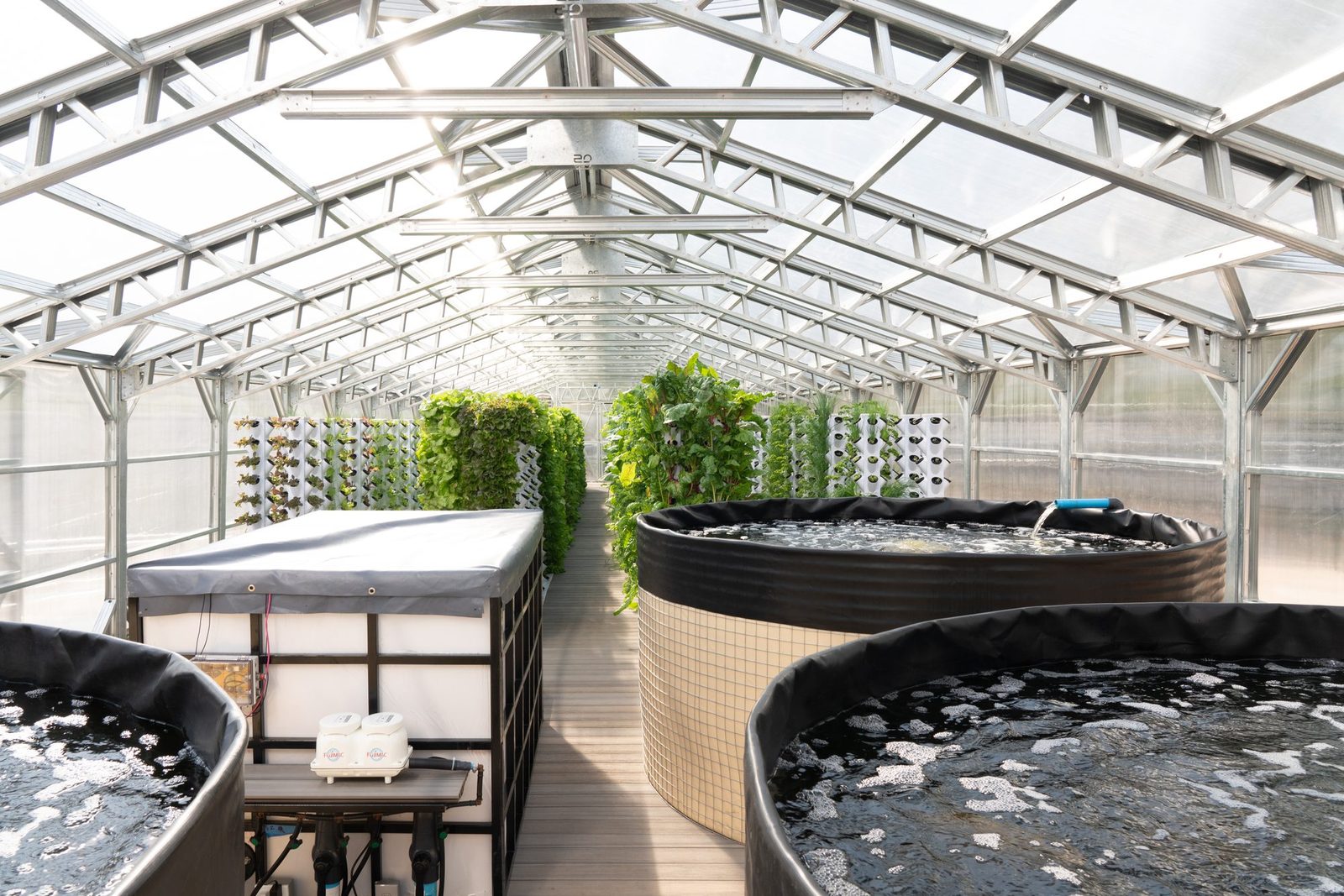
A Harvest Hub is three solar-powered greenhouses with cold storage, clean water, internet, and a trained local team, built as one unit. It grows food year round where rain, land, and power can no longer be counted on, and keeps the harvest from spoiling before it reaches a buyer. FreshMinistries developed the model, OneWorld Fresh builds it, and the community that receives it runs it.
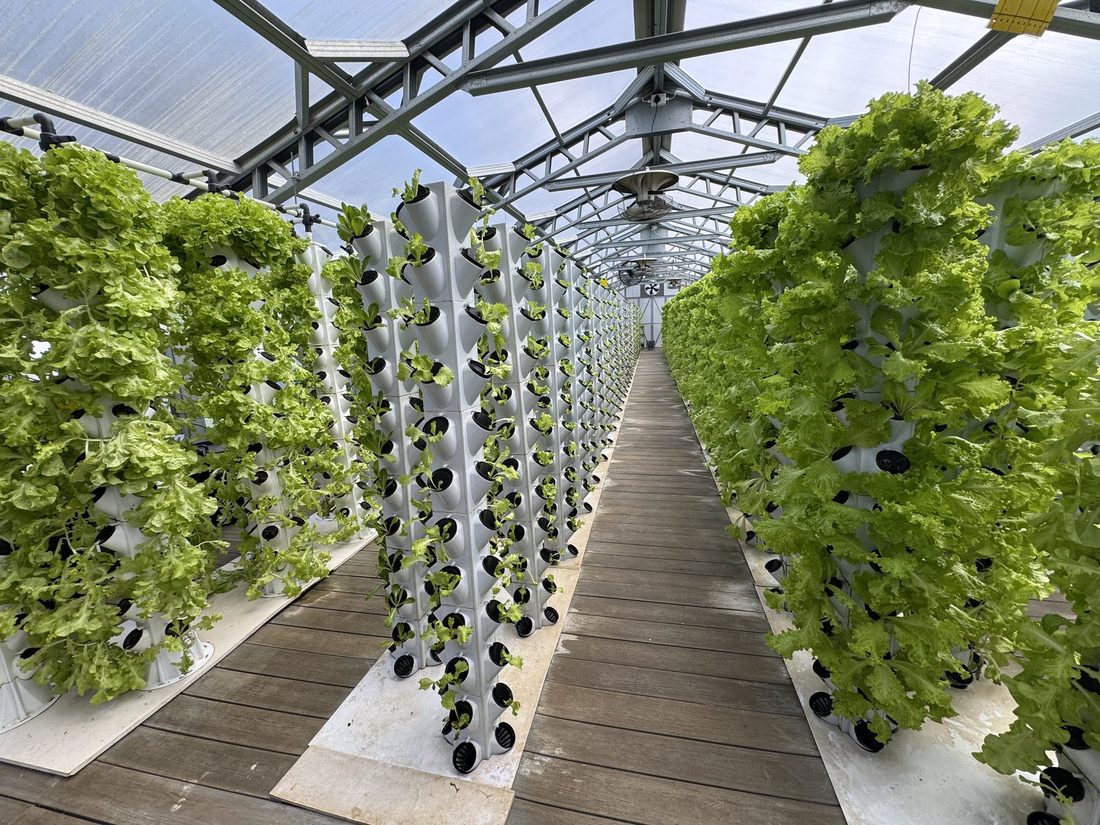
Standardized aquaponics systems running Optiponics, growing year round.
Reliable off-grid power with battery storage, with surplus reaching the community.
Refrigeration that keeps the harvest from spoiling.
Drying systems that turn surplus into shelf-stable food.
A borehole, storage, and treatment, with rainwater capture where it helps.
Satellite internet for monitoring, training, and market information.
Six weeks, three phases, at least two local operators per hub.
The hub serves more than the people who work in it. Farmers nearby use the cold room and the dryers. Power, water, and internet reach the households around it.
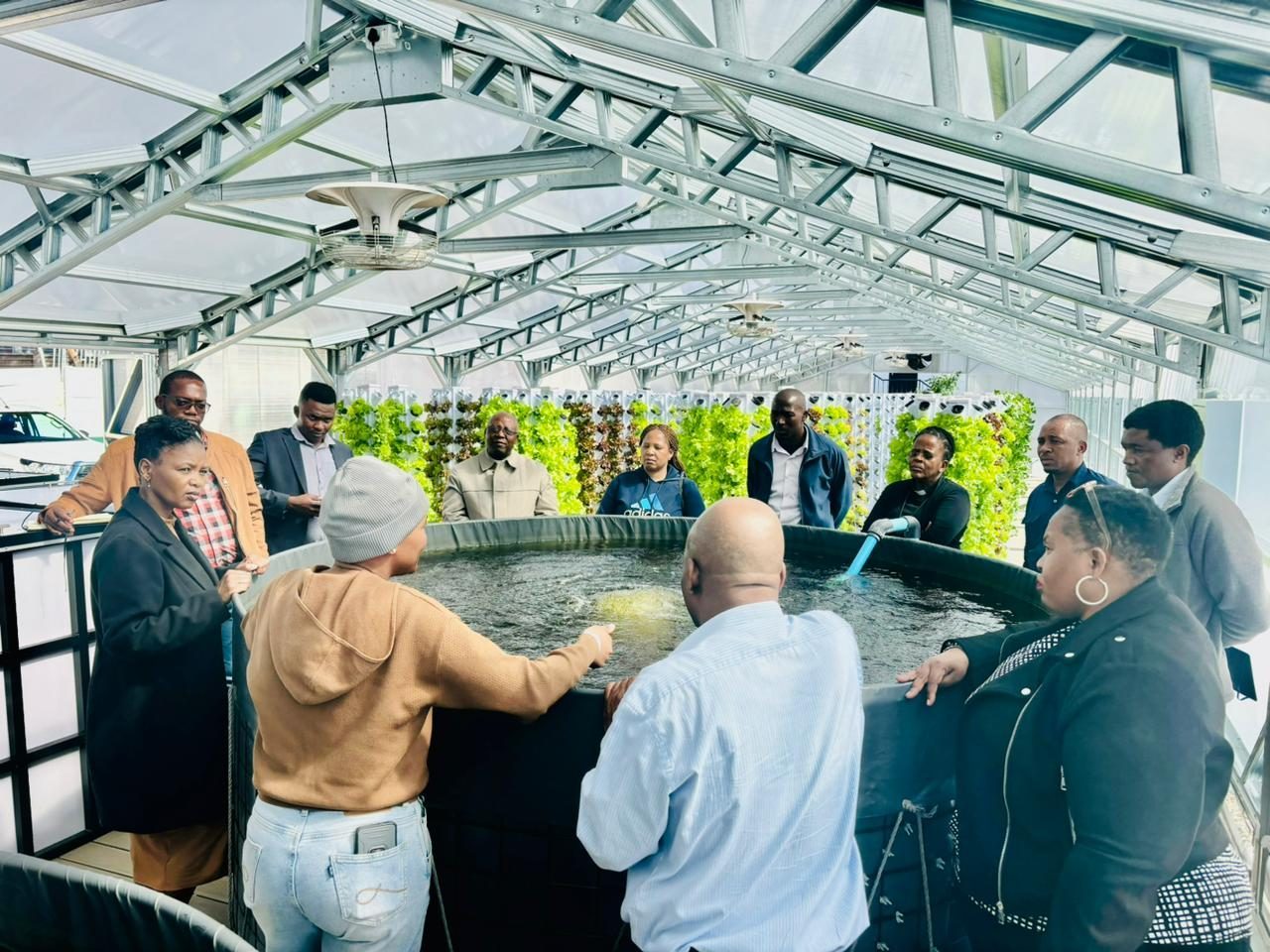
A fish tank and a garden, plumbed together. Fish waste becomes plant food. The plants clean the water and send it back. Solar runs the pumps. Sensors watch nutrients, temperature, and water quality, and a satellite link lets our technical team help an operator anywhere on earth. We call the system Optiponics.
Fish live here. Their waste leaves the tank in the water.
Solid waste is caught and taken out before the water moves on.
Bacteria turn what is left in the water into plant food.
Water runs down the towers. Plants take up the nutrients and clean it as they grow.
A pump returns the clean water to the fish. Solar runs the pump, and sensors watch the water the whole way round.
less water than growing in soil, in a sector that already uses 70 percent of the world's freshwater. (6, 7)
more plants per square foot than our first-generation systems.
of support watching the same live data: local team, regional crew, central technical staff.
Technical detail
The current standard greenhouse grows about 11,500 plants a month in 2,200 square feet. The original 2017 facility grew 20,000 a month in 6,000 square feet. Per square foot, that is a 57 percent gain, and it is the reason a hub can run three compact greenhouses instead of one large one.
Vertical towers do the work. A tower holds plants on every side and stacks them upward, so a footprint that would carry a few rows of field lettuce carries many times that number.
The system recirculates. Water leaves the fish tank, passes through the filters and the towers, and returns. Our internal engineering figure is about 95 percent less water than the same crop in soil; USDA's published figure for recirculating systems is up to 90 percent. We quote the conservative number on this page.
Measured water data from the current-generation system is being collected and will be published when a full season is in.
Production runs year round and does not depend on rainfall or season. The greenhouse shell, the recirculating water, and the solar microgrid are designed together for drought, heat, and heavy rain: the three conditions that stop a field farm.
Sensors feed a live digital interface: nutrients, temperature, water quality, and power. The local team sees it on site and adjusts feed, flow, and timing. A regional support crew sees the same screen. So does the central technical staff in Jacksonville. A problem missed at one level is caught at the next.
The flagship facility holds USDA Harmonized GAP certification, the food-safety standard institutional buyers such as schools and hospitals require. The same protocols travel with the model: the training covers them, and every hub is built to meet them.
Harvest Hubs are the next step of work that began more than a decade ago, and every piece of the model is running somewhere today.
Learning alongside the University of the Virgin Islands, pioneers in modern aquaponics.
A 6,000 square-foot greenhouse opens behind the Weaver Center in Jacksonville. Produce goes to Duval County schools, local restaurants, and the Sulzbacher Center. Up to 1,500 visitors a month.
Six greenhouses open on St. Croix with the Government of the Virgin Islands, the U.S. Economic Development Administration, and UVI.
Mpumalanga, South Africa. And at the Lambeth Conference, 220 Anglican bishops pledge greenhouses for their provinces.
The Randburg training facility opens in Johannesburg with Rotary International. NativeFresh is rebuilt in Jacksonville as the standard model.
The St. Croix facilities are handed to UVI, which folds them into its aquaponics degree. The Tutu family home in Soweto is restored, with a greenhouse in the garden.
Harvest Hubs. Three greenhouses, cold storage, power, water, and training, as one unit.
The flagship facility holds USDA Harmonized GAP food-safety certification. Along the way the work has been carried out with or supported by USDA, the U.S. Economic Development Administration, the Department of Labor, Georgetown University, the University of Florida, and the University of the Virgin Islands. Partners on the ground include Rotary International, Conservation South Africa, and the Anglican Communion.
Build the hubs and keep them running.
Measures the results.
Brings land and standing across a region where it has more than 80 million members.
NativeFresh, JacksonvilleWhere it started. A commercial aquaponics farm downtown, teaching since 2017, and the master copy for every greenhouse that follows.Explore NativeFresh
Island Fresh, St. CroixSix greenhouses on the old Bethlehem Sugar Works site, gifted to the University of the Virgin Islands in 2025.Explore Island Fresh
Jubilee Housing, Washington, D.C.Farms on the rooftop and in the cellar of an apartment building for returning citizens.Explore the D.C. project
Mpumalanga, South AfricaTwo farms: a 6,000 square-foot greenhouse behind Acorns to Oaks Comprehensive High School in Acornhoek, and a second in Shalati.Explore Mpumalanga
Randburg, JohannesburgA 2024 tower-culture greenhouse that grows two things: food, and the trainers who carry the system across Southern Africa.Explore Randburg
The Tutu Home, SowetoArchbishop Tutu's family home, restored with Rotary International, with a greenhouse growing in the garden.Explore the Tutu Home
“Your program is quite exciting and has such a great potential for helping to eradicate poverty. You and your colleagues already have an enviable record of making a difference.”
Archbishop Desmond Tutu
“This model addresses every single one of the components necessary for sustainable development in an impoverished area. It is not just putting a hoe in people's hands but giving them an equity stake in the economy.”
Pamela WhiteFormer U.S. Ambassador to Haiti
“FreshMinistries works to eliminate extreme poverty by empowering communities and individuals to realize their full potential. Through aquaponics we are putting our mission into practice around the globe.”
The Rev. Dr. Robert V. Lee IIIFounding Chairman & Chief Executive Officer, FreshMinistries
Every hub sends at least two people through all three phases, so the operating knowledge stays in the community. It begins in a classroom and ends on the farmer's own site.
Phase one
Classroom and labOne week
At a working training farm in Johannesburg. How a farm is built, run, and kept running: the science and the business of aquaponics, food safety, solar and water systems, operations, and day-to-day management.
Phase two
Hands-onThree weeks
On a real, working farm that grows and sells its own produce. Work-based learning, plus the life skills of running a business: leadership, planning, and managing people.
Phase three
On-siteTwo weeks
On the farmer's own newly built farm, beside a qualified trainer. Planting the first seedlings, transplanting to the towers, water testing, filtration, solar-array care, and choosing what to grow.
The local team, a regional support crew, and our central technical staff monitor the same live data. A problem missed at one level is caught at the next.

The model started in Florida, proved itself in the Caribbean, and is going up across Southern and East Africa.
Harvest Hub countries
Full hubs: several greenhouses with the power, cold storage, water, and training around them, built to be repeated from one region to the next.
One-off sites
Single facilities built for one role: training in Nairobi, production in Mgombezi, research and a pilot in Madagascar. Each one anchors what grows next.
Where it started
The model was built and proved in Florida and the Caribbean before the first hubs went up in Africa.
Each new partnership extends the map.
Fresh produce grown locally, year round, regardless of weather.
Recirculating water and a controlled environment, built for drought, heat, and heavy rain.
Solar and battery storage, with surplus power extended to the community.
Hands-on training in sensors, solar, water chemistry, and aquaculture. A modern entry point into agriculture for young people.
Jobs, local enterprise, and buyers lined up in advance.
Commercial sales alongside free food for the families who need it.
What your gift builds
When we hand over the keys, the community keeps a greenhouse it owns, a cold room that protects the harvest, and a trained team that can run both. The crop gets saved. The income stays home.
Foundations and partners: talk to us about siting, phasing, and what a hub costs to build and run. Individuals: a gift stocks a greenhouse, trains a grower, and puts fresh food on local tables. Tell us your name and we will tell you exactly where it went.