
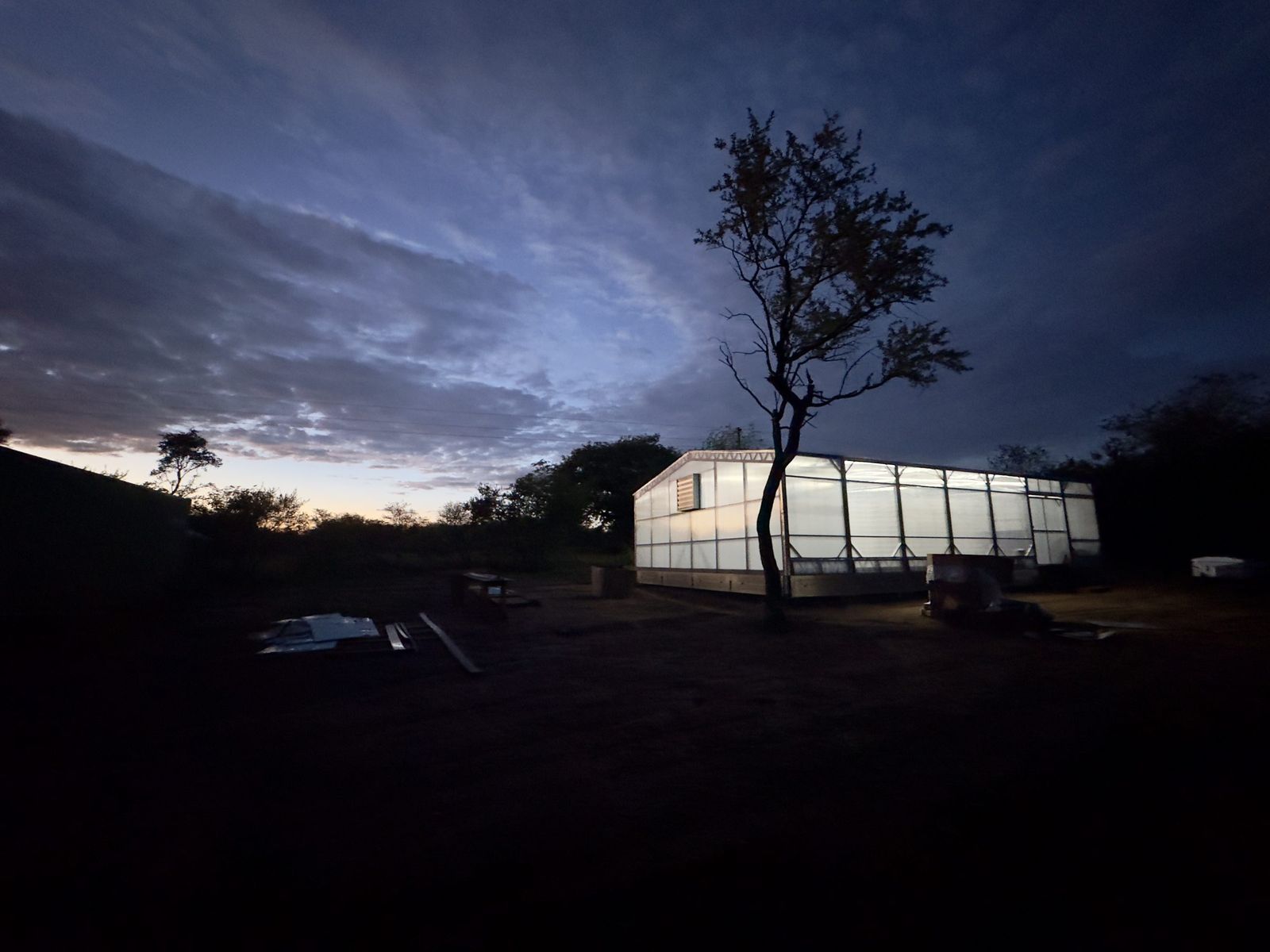
Shalati: Rural access and community enterprise
Established in 2026, the Shalati facility extends the Mpumalanga work into a highly rural setting. Developed in partnership with the Industrial Development Corporation of South Africa and Shalati Safari Camp, it provides a locally grounded platform for fresh-food production, training, and enterprise opportunity.
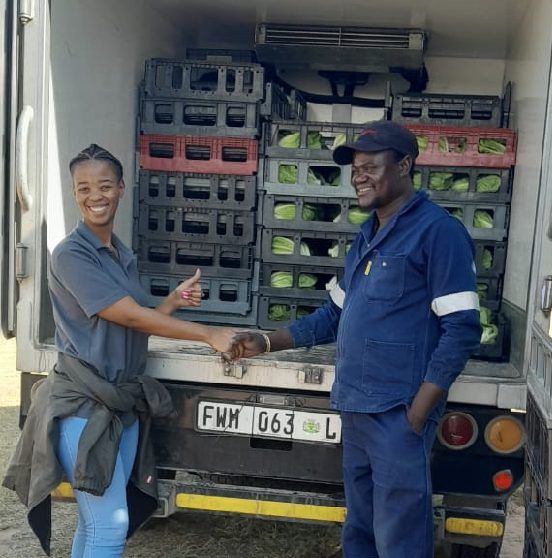
The site demonstrates how a standardized production system can be adapted with local partners to serve the priorities of a rural community. Its role is to support practical access, local capability, and learning that can inform future community-led development.
Together, Acornhoek and Shalati demonstrate a partnership-based approach: operating assets paired with local institutions, technical support, training, and market relationships. The experience generated through both sites strengthens the foundation for future collaboration around food security, climate resilience, youth opportunity, and inclusive local economic participation.
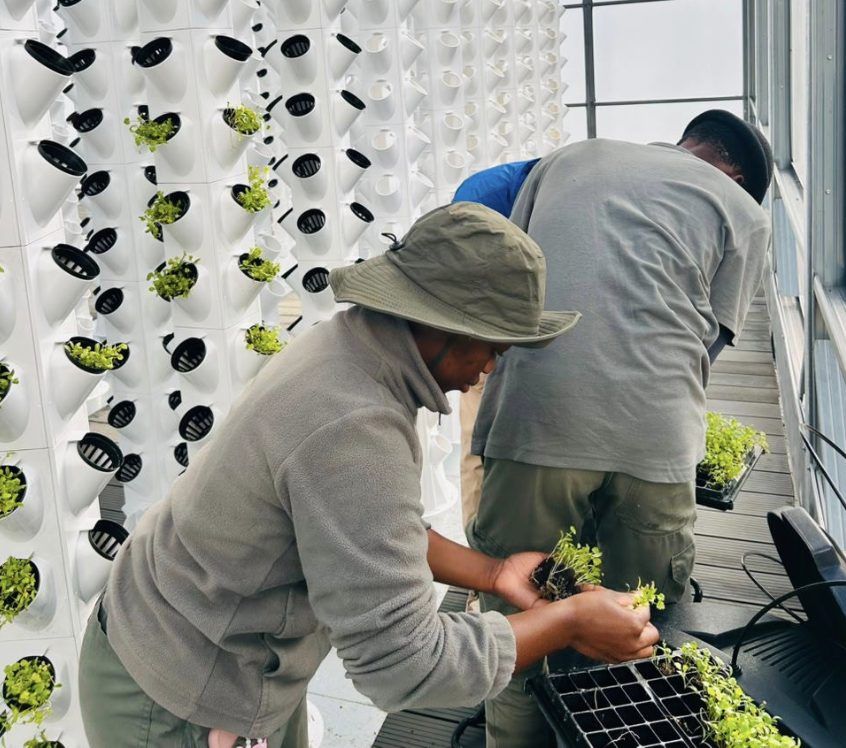
Mpumalanga is one example of an approach shaped by local needs and strengthened through partnership. Explore how that work takes shape in communities around the world.