
Partnership for Local Stewardship
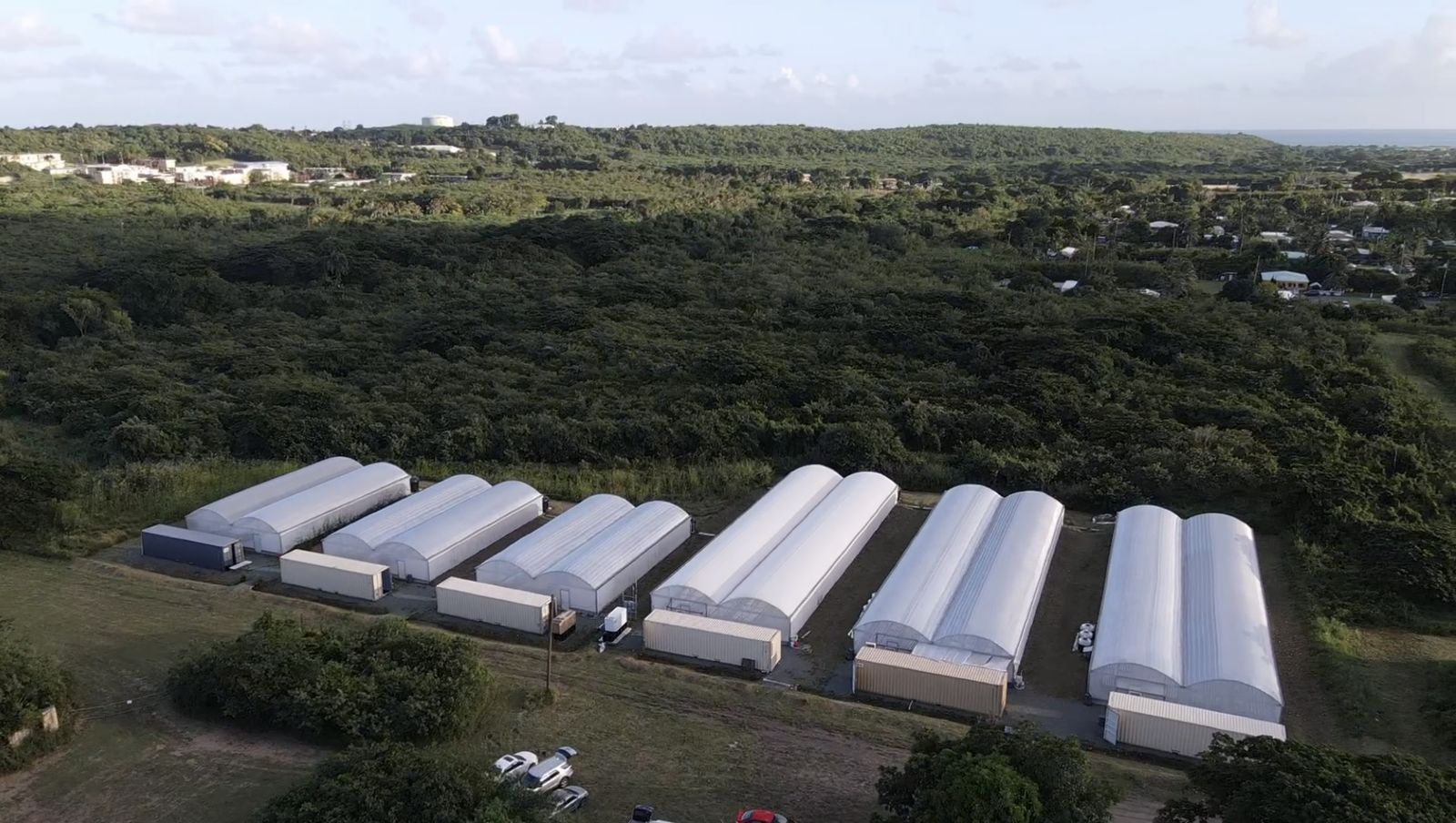
Island Fresh opened in 2021 at Estate Bethlehem, the site of the former Bethlehem Sugar Works. Developed through a US EDA-supported effort, the project brought together FreshMinistries, the Government of the U.S. Virgin Islands, the University of the Virgin Islands, and St. Croix Partners in Action.
The original facility comprised six multi-technique aquaponics greenhouse systems designed as a production and training resource for local businesses, the school system, and community members. It provided a practical setting to grow fresh food, build technical skills, and gain operating experience across different approaches to controlled-environment production.
Food Production, Research, and Training
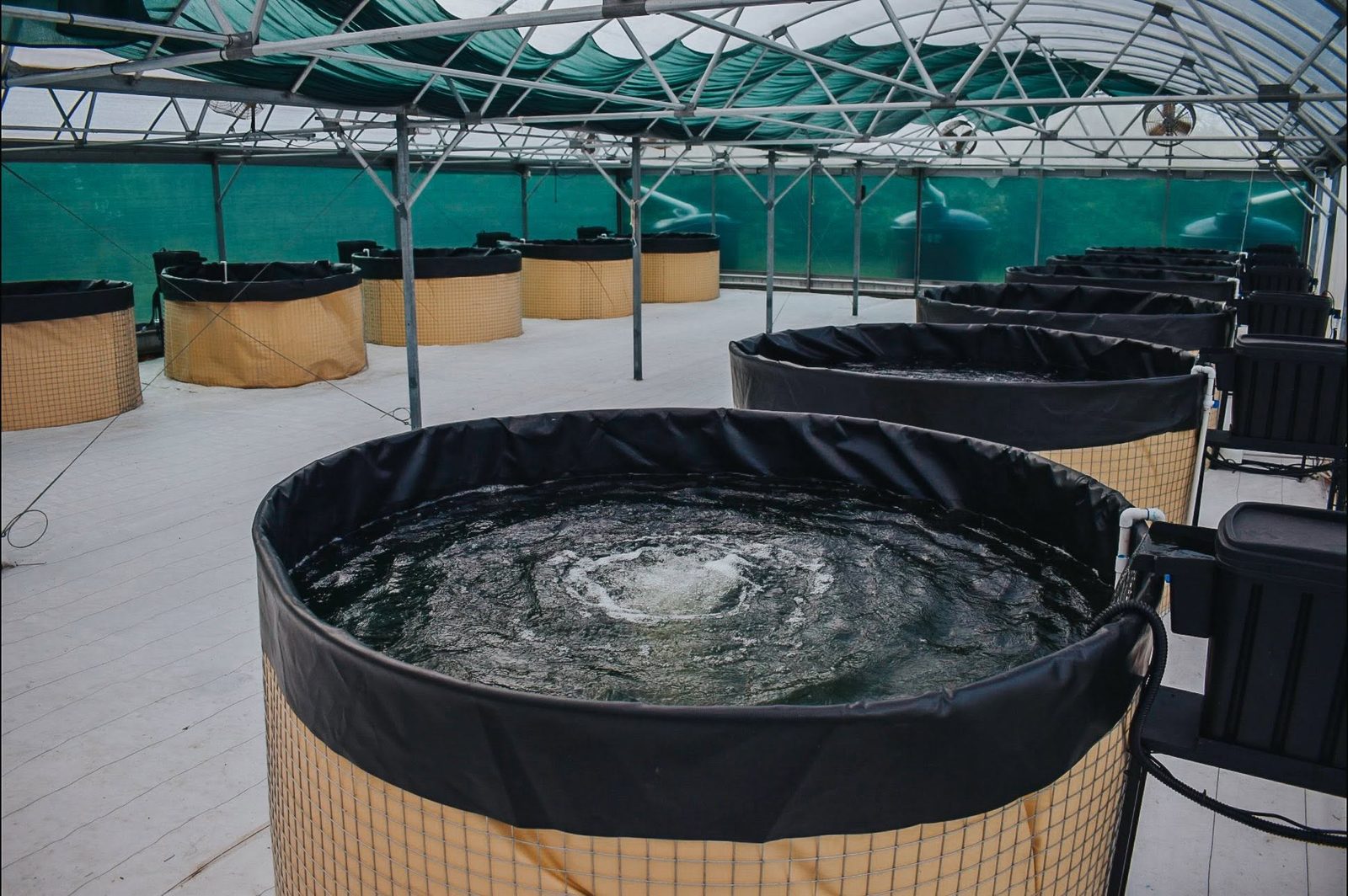
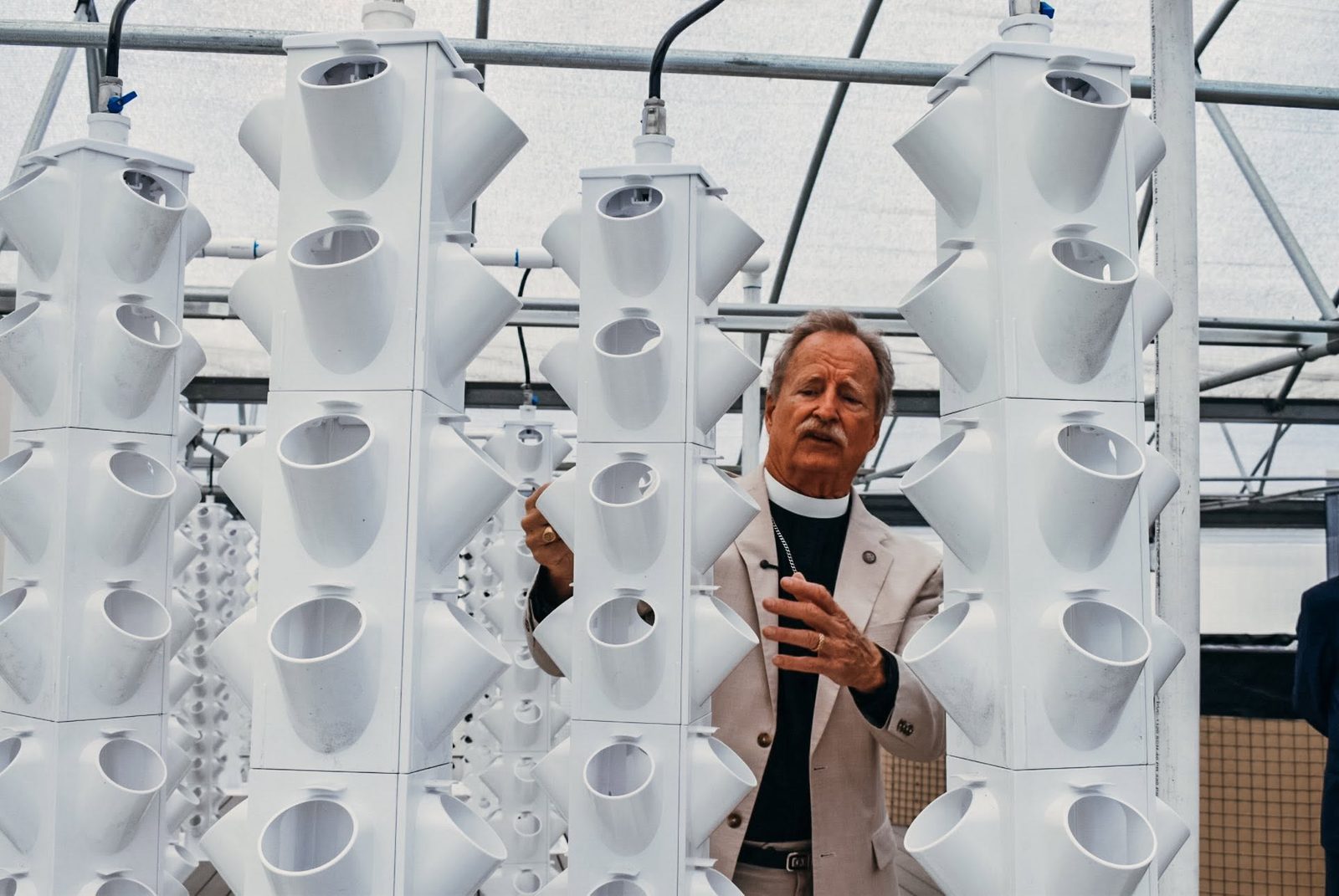
With support from the Government of the U.S. Virgin Islands, Island Fresh was retrofitted and expanded as an advanced research, education, and workforce-training facility. The upgraded site now brings together traditional aquaponics, tower-based aquaponics, crop propagation, aquaculture, and traditional agricultural production within one integrated learning environment.
The range of systems enables research, demonstration, and hands-on training across the full production cycle, from propagation and water management to crop production, system maintenance, food safety, and farm operations. It also creates space for traditional agricultural practice alongside newer controlled-environment technologies, recognizing the experience of local farmers while preparing emerging producers for a changing food system.
Building on the University of the Virgin Islands’ longstanding leadership in aquaponics research and education, Island Fresh can serve students, producers, educators, and partners through applied learning grounded in local conditions and practical operation.
Built to cultivate opportunity, education, and resilience.
From Development to Local Operation
On June 3, 2025, FreshMinistries transferred Island Fresh to the University of the Virgin Islands. The transition placed the facility under the stewardship of a leading regional institution and established a foundation for continued research, education, workforce development, and public engagement.
Under UVI’s leadership, Island Fresh has evolved from an initial demonstration and community-production site into a regional platform for applied learning and food-system innovation. Its combination of established and emerging production methods supports technical education, producer development, and research relevant to the U.S. Virgin Islands and other island contexts.
The transition reflects the value of sustained partnership: public investment, community collaboration, and institutional leadership working together to build durable local capability.
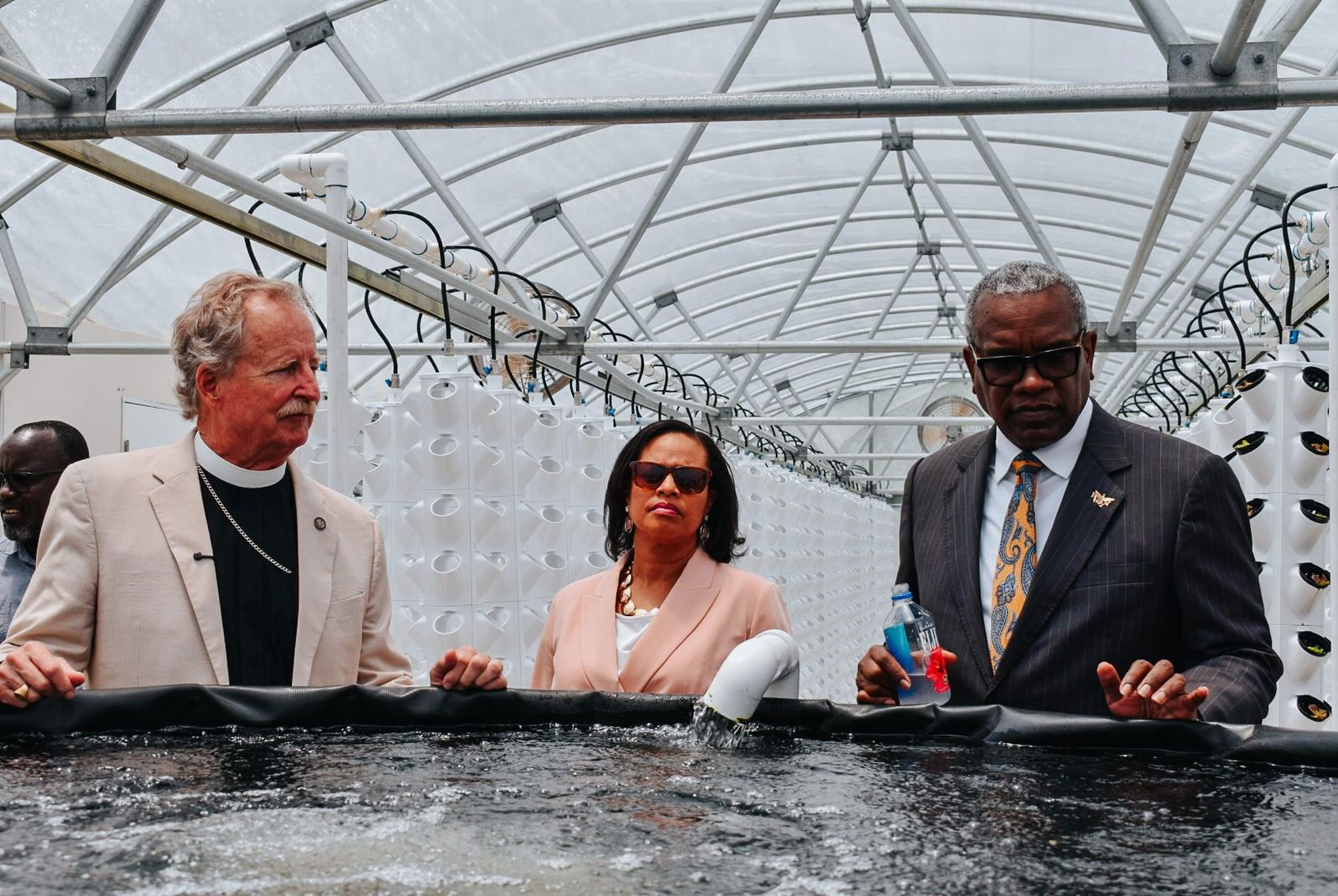
Island Fresh demonstrates how food-production infrastructure can move from project development to long-term local stewardship. Its operating experience, public and institutional partnerships, and transition to University of the Virgin Islands leadership continue to inform FreshMinistries’ work with communities and partners in the Caribbean and beyond.
See how this work connects across regions on the Global Work page.