The Desmond Tutu Programme

Locally led food systems for resilience, livelihoods, and human dignity.

The Desmond Tutu Programme is a FreshMinistries initiative that works with local institutions and partners to strengthen climate-resilient food systems, workforce capability, and inclusive economic opportunity.

When FreshMinistries asked to name this work after him, Archbishop Desmond Tutu was reluctant. He did not see the value in naming it after himself. Then he gave his blessing anyway. He wrote:

Your program is quite exciting and has such a great potential for helping to eradicate poverty. You and your colleagues already have an enviable record of making a difference. I commend you and your colleagues on a superb record. Well done. I really don’t see what value there is in naming this splendid project after me. But that is what you seem to want. For what it is worth, I am willing for you to do that. God bless you.

-- Desmond Tutu
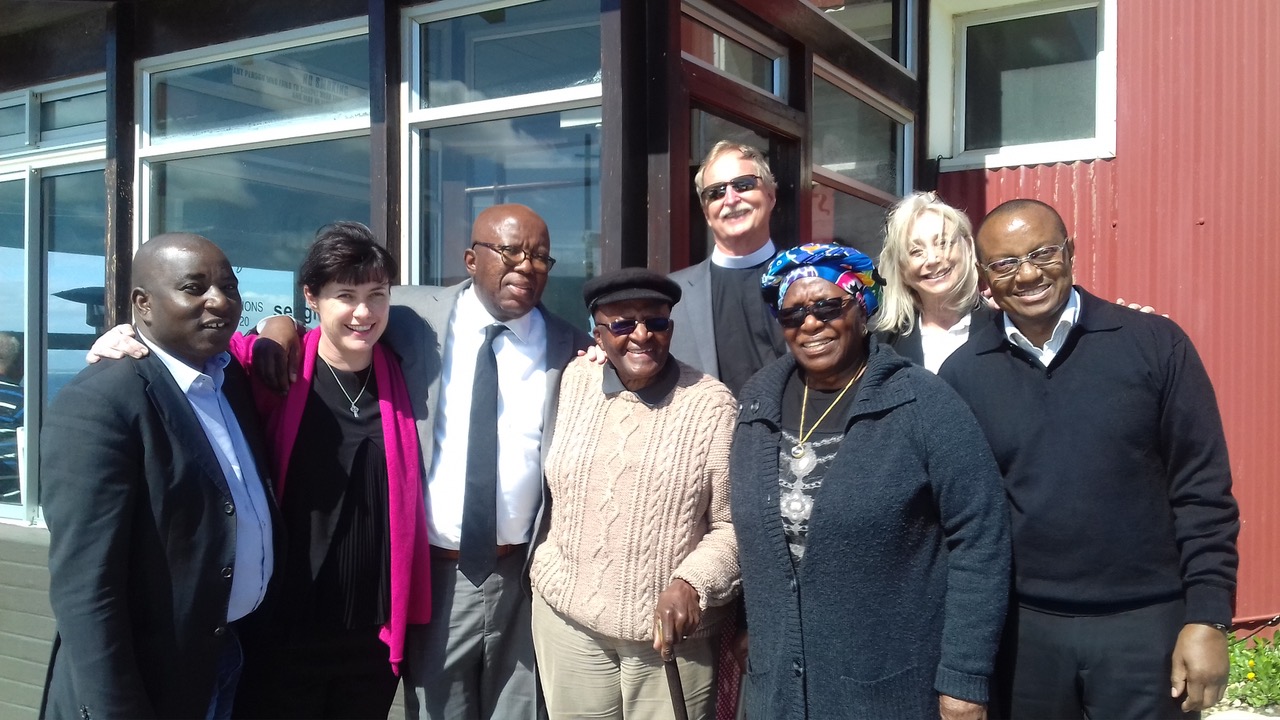
Archbishop Desmond Tutu with FreshMinistries leaders and partners, gathered outside, at the 2019 launch of the initiative named in his honour
FreshMinistries Board Member Prof. Oupa Seane with Archbishop Tutu, Chief of Staff Ms. Shelly Marino, and Founding Chairman the Rev. Dr. Robert Vernon Lee III, at the launch of the Tutu initiative in 2019.
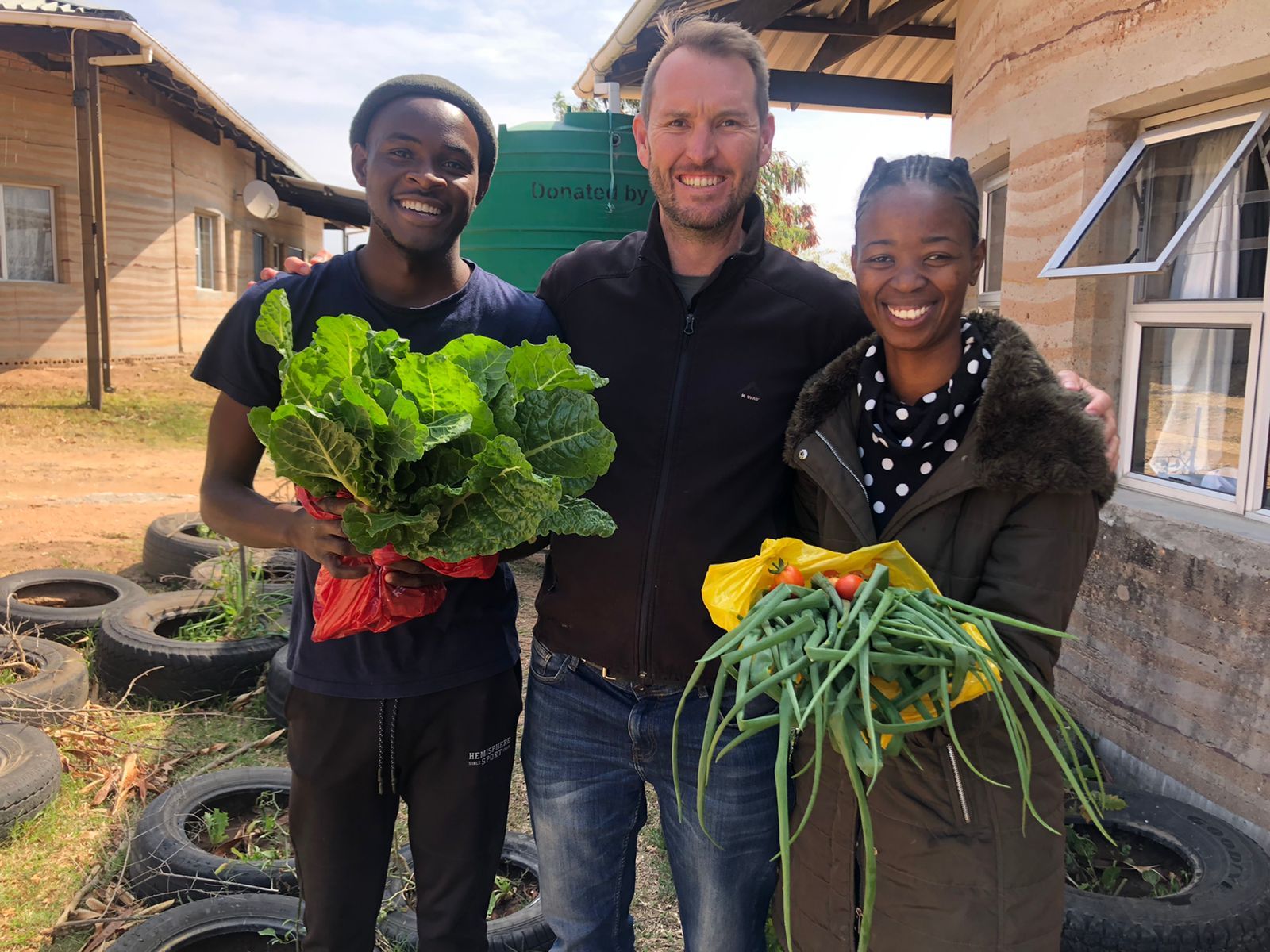
Three growers holding a fresh harvest of greens, spring onions and tomatoes outside a community greenhouse
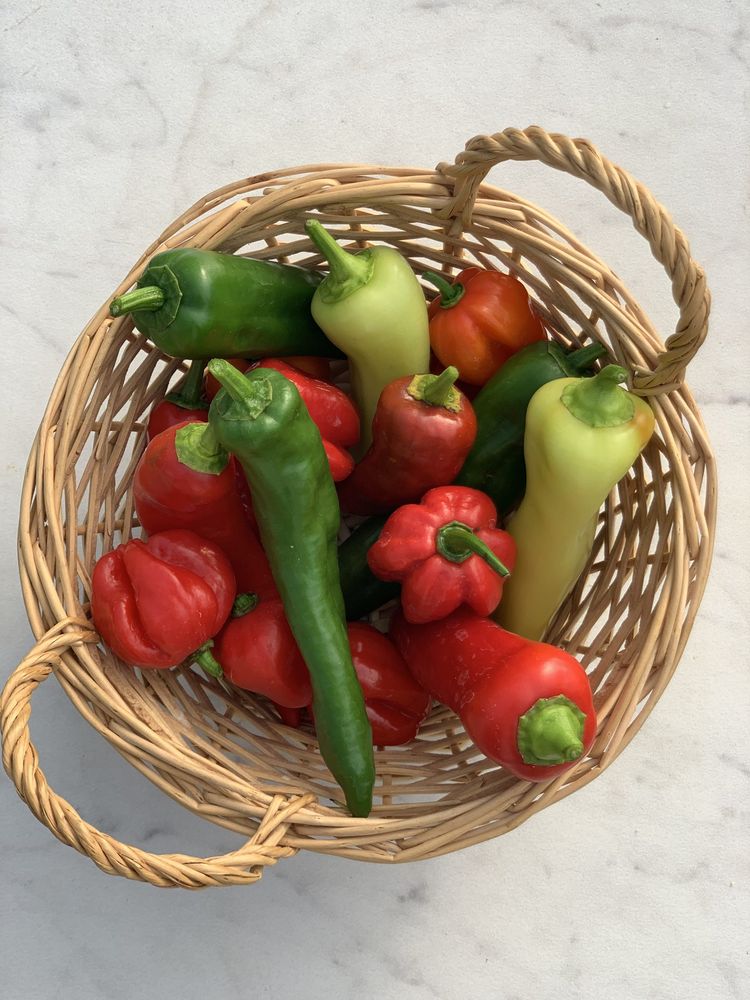
A woven basket full of freshly picked red, green and yellow peppers
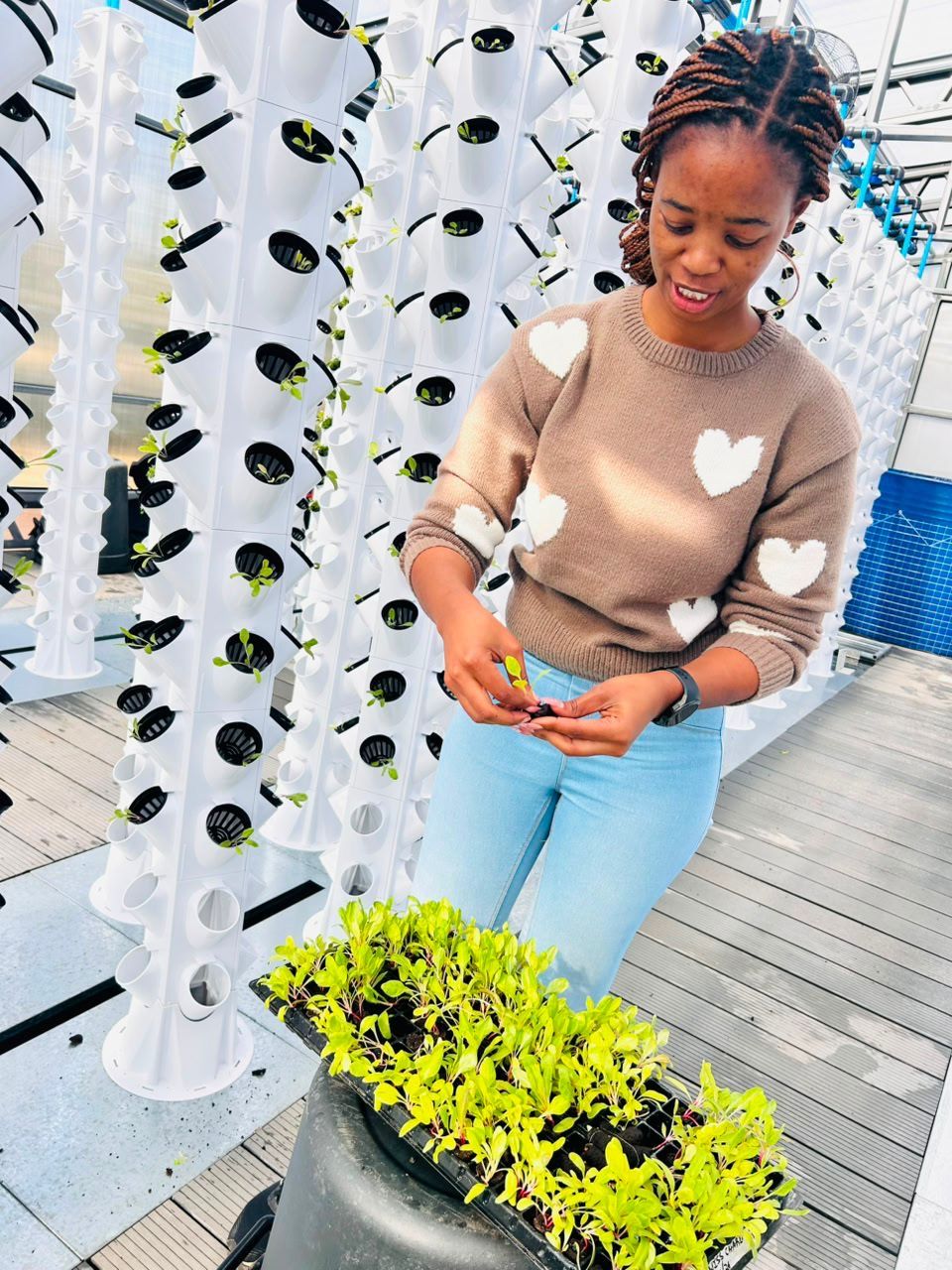
A young woman sets seedlings into a vertical grow tower at the Shalati greenhouse in Mpumalanga, South Africa

Local Capacity and Lasting Systems

Lasting progress depends on more than access to food. It depends on the ability of local institutions, producers, and communities to organize, operate, and improve the systems on which they rely.

The Desmond Tutu Programme advances this capacity through sustained collaboration with local partners and practical experience in food production, training, and enterprise development. Its work is designed to respond to local conditions while remaining accountable to the people and institutions it is intended to serve.

That commitment to local ownership guides how the Programme is designed, delivered, and supported.

Our approach

Proven systems work best when they are placed in local hands. The Desmond Tutu Programme to End Global Hunger works with community partners, universities, churches, NGOs, and local leaders to build food-production systems that can be operated, sustained, and expanded by the communities they serve.

Each greenhouse combines water-efficient growing, solar power, real-time monitoring, and hands-on training. Around the greenhouse, Harvest Hubs add refrigeration, dehydration, storage, and distribution so fresh food lasts longer and creates more local value.

FreshMinistries brings the model, technical training, and ongoing support. Local partners bring leadership, land, workers, relationships, and community knowledge. Together, the goal is to build locally led food systems that feed people, train people, employ people, and grow stronger over time.


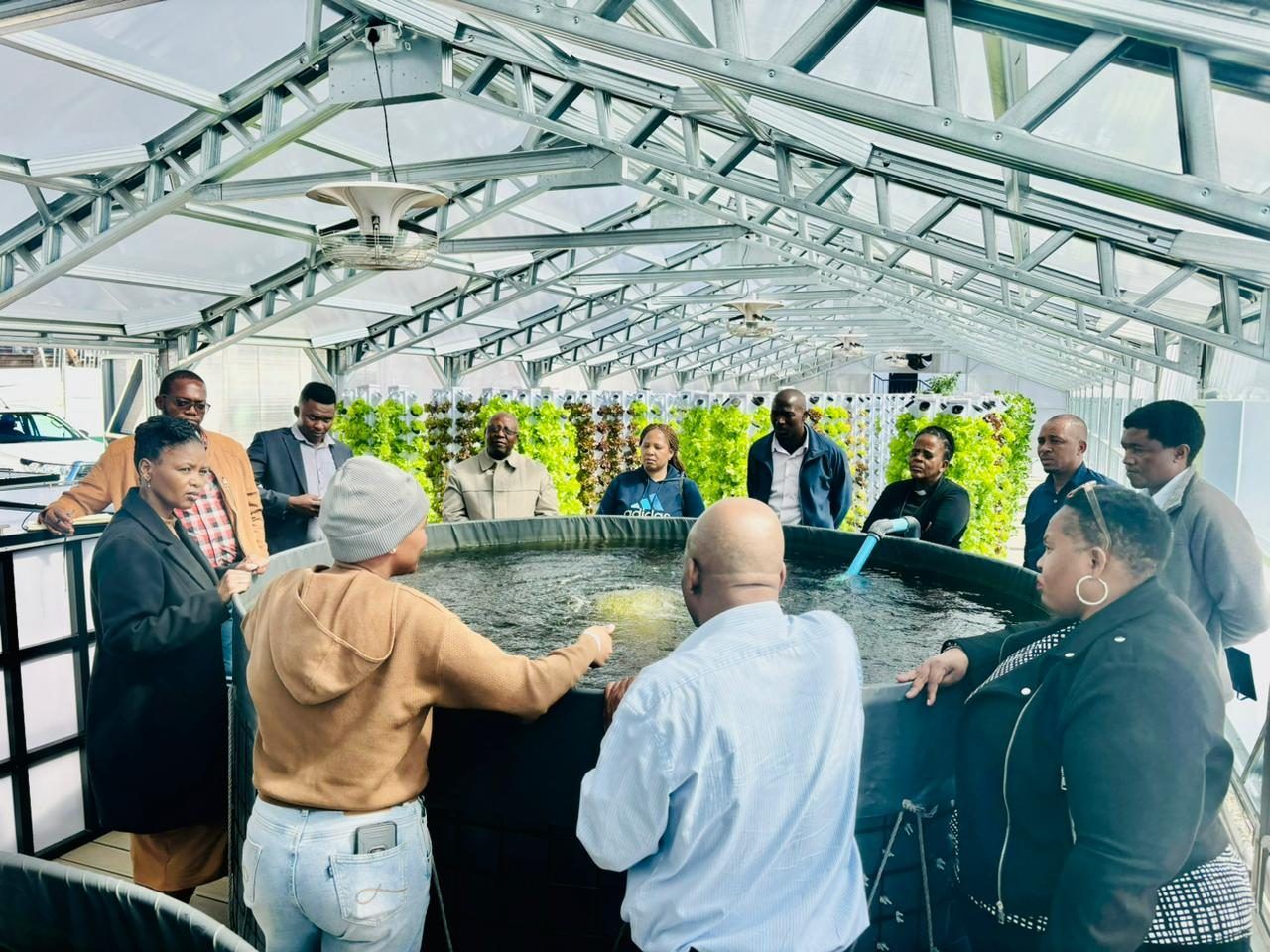
Trainees gather around a fish tank inside the Randburg aquaponics facility, grow towers lining the greenhouse behind them
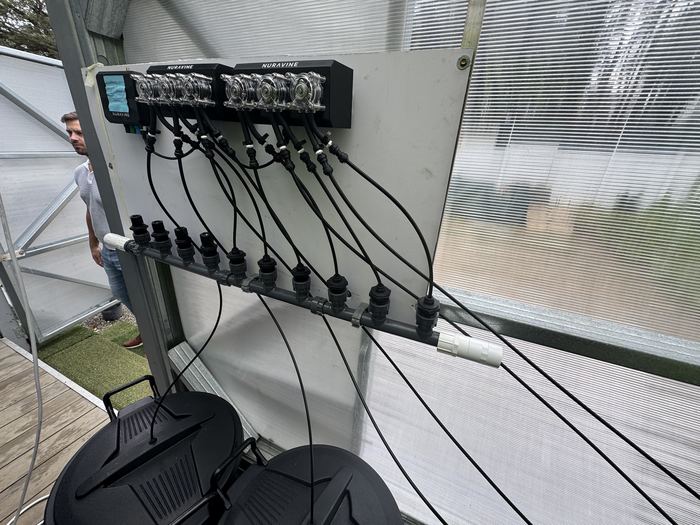
Water-quality sensor controllers wired to a manifold on the greenhouse wall at the Randburg training facility, Johannesburg
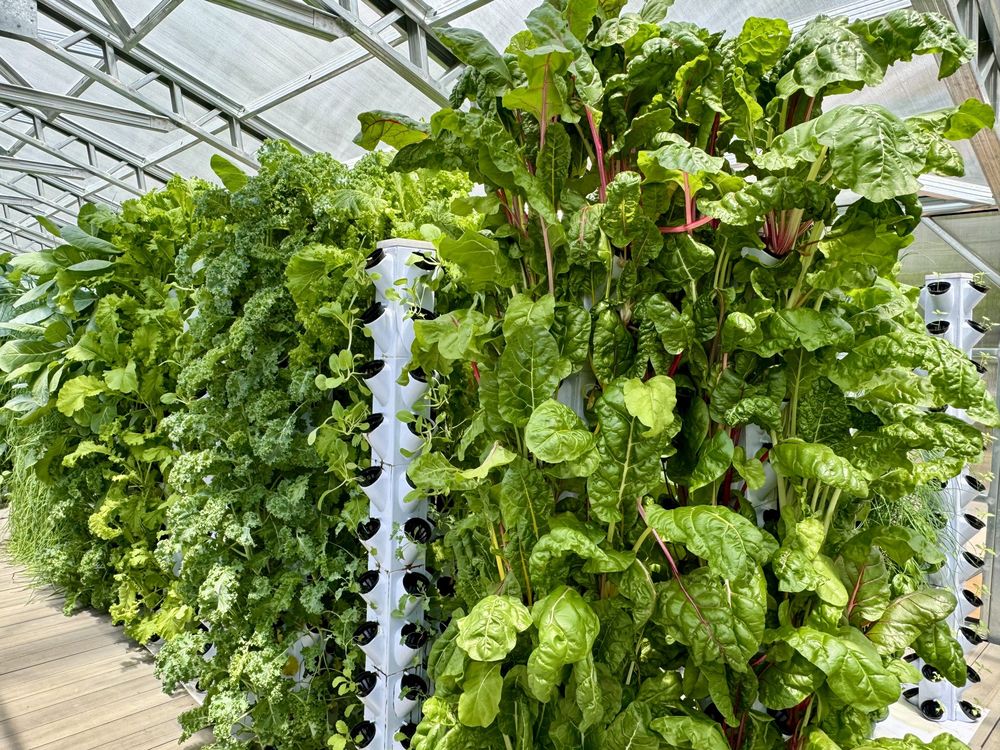
Grow towers thick with chard and kale inside a tower greenhouse

A Global Network for Local Action

In 2022, the Lambeth Conference brought together bishops from across the worldwide Anglican Communion at a time when food insecurity was an urgent shared concern. FreshMinistries introduced a practical, locally led model for strengthening food production, technical skills, and community-based economic opportunity.

More than 220 bishops expressed support for exploring food-system initiatives in their provinces. This network provides a meaningful foundation for dialogue with dioceses and other local institutions that are seeking practical responses to food insecurity and economic exclusion.

The Programme continues to engage communities, faith-based institutions, and development partners interested in assessing locally appropriate opportunities. Any future effort is shaped through local consultation, validation, and partnership.

Regional Hubs, Local Capacity

Long-term performance requires more than initial training. The Programme pairs standardized food-production facilities with regional hubs that give operating farms continuing access to technical expertise, practical supplies, peer learning, and problem-solving support.

Training begins at the regional hub, where local teams complete classroom and hands-on instruction on the same standardized system they will operate at their own site. This shared configuration makes training more practical, enables consistent operating procedures, and makes it easier to troubleshoot issues and provide continuing support across the region.

Phase One

Regional Training

Participants build the technical and managerial foundation needed to lead an operating facility. Training covers production systems, food safety, water and solar systems, operations, maintenance, logistics, planning, and enterprise management.

Phase Two

On-Site Launch

Training continues at the team’s own greenhouse or production site. Working alongside qualified trainers, participants commission equipment, establish production routines, implement food-safety and operating procedures, monitor water and filtration, care for solar infrastructure, and plan initial crops and market activity.

Phase Three

Ongoing Support

Following commissioning, FreshMinistries and the regional hub provide ongoing guidance, including remote monitoring, troubleshooting, training, and technical assistance. This support helps local teams manage daily operations independently while maintaining access to a broader regional support network.

Built for Long-Term Performance

Standardized Facilities

Regional hubs and local sites use shared systems, operating procedures, and training methods.

Regional Support

Operating teams remain connected to technical expertise, practical supplies, troubleshooting, monitoring, and peer learning.

Local Operational Capability

Local teams lead day-to-day operations while drawing on continuing support as conditions and needs evolve.

The communities this is built for

The programme starts where the need is hardest and the ground is toughest: places chosen for food insecurity, thin infrastructure, and land that fights the people who farm it. A few of them.

Madagascar

The worst drought in forty years has pushed families in the south to the edge. Most of them live on what they can grow, herd, or catch.

South Sudan

Flood in some places, drought in others, in the same season. Millions face hunger, and children are the most exposed.

Lesotho

More than half the country lives below the poverty line, and hard rains have cut what the harvest brings in.

Eswatini

Most of the rural population lives below the poverty line, and about a third of the country faces food insecurity in a hard year.

These are the conditions the programme is built to change. Not with food shipped in, but with food a community can grow, store, and sell for itself.

Partner for Lasting Impact

Lasting food systems require sustained local capacity, technical support, and trusted partnerships.

FreshMinistries welcomes collaboration with institutions and partners advancing practical, accountable food security and climate resilience.

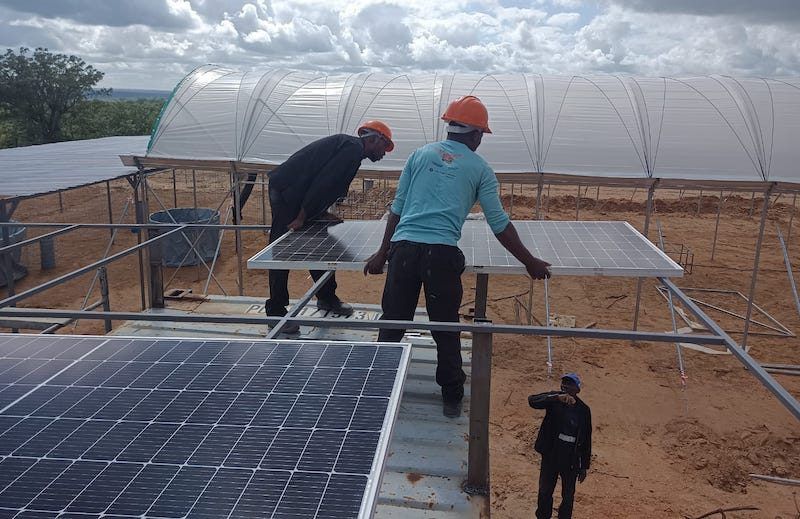
Workers in hard hats install solar panels on a frame beside a greenhouse under construction