
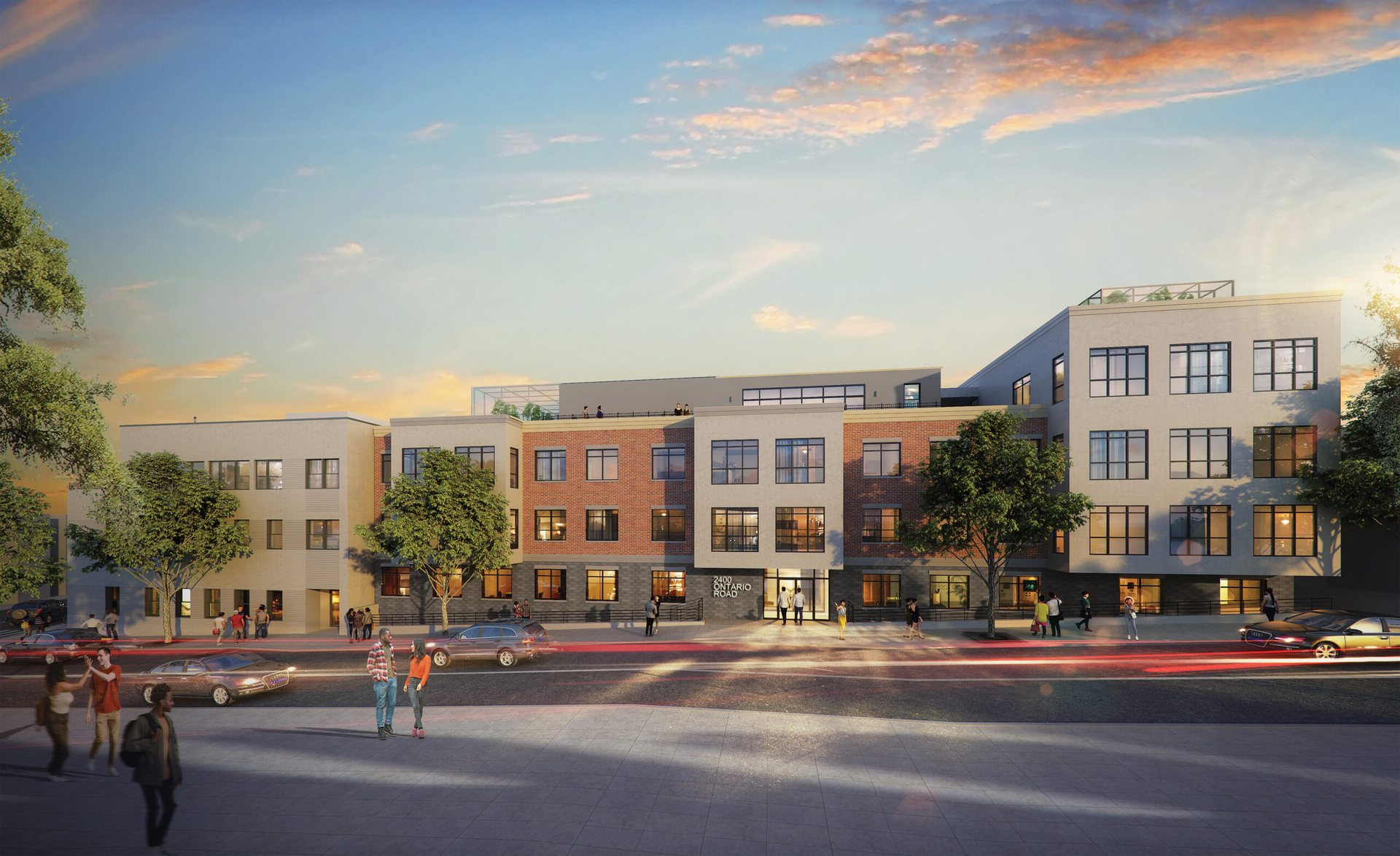
In partnership with Jubilee Housing, FreshMinistries has designed an integrated urban food-production and workforce-development initiative in Washington, D.C.’s Adams Morgan neighborhood. Aquaponics systems incorporated into rooftop and lower-level spaces will support fresh-food production alongside culinary training and employment pathways for people returning from incarceration.
Housing, Food Systems, and Economic Opportunity
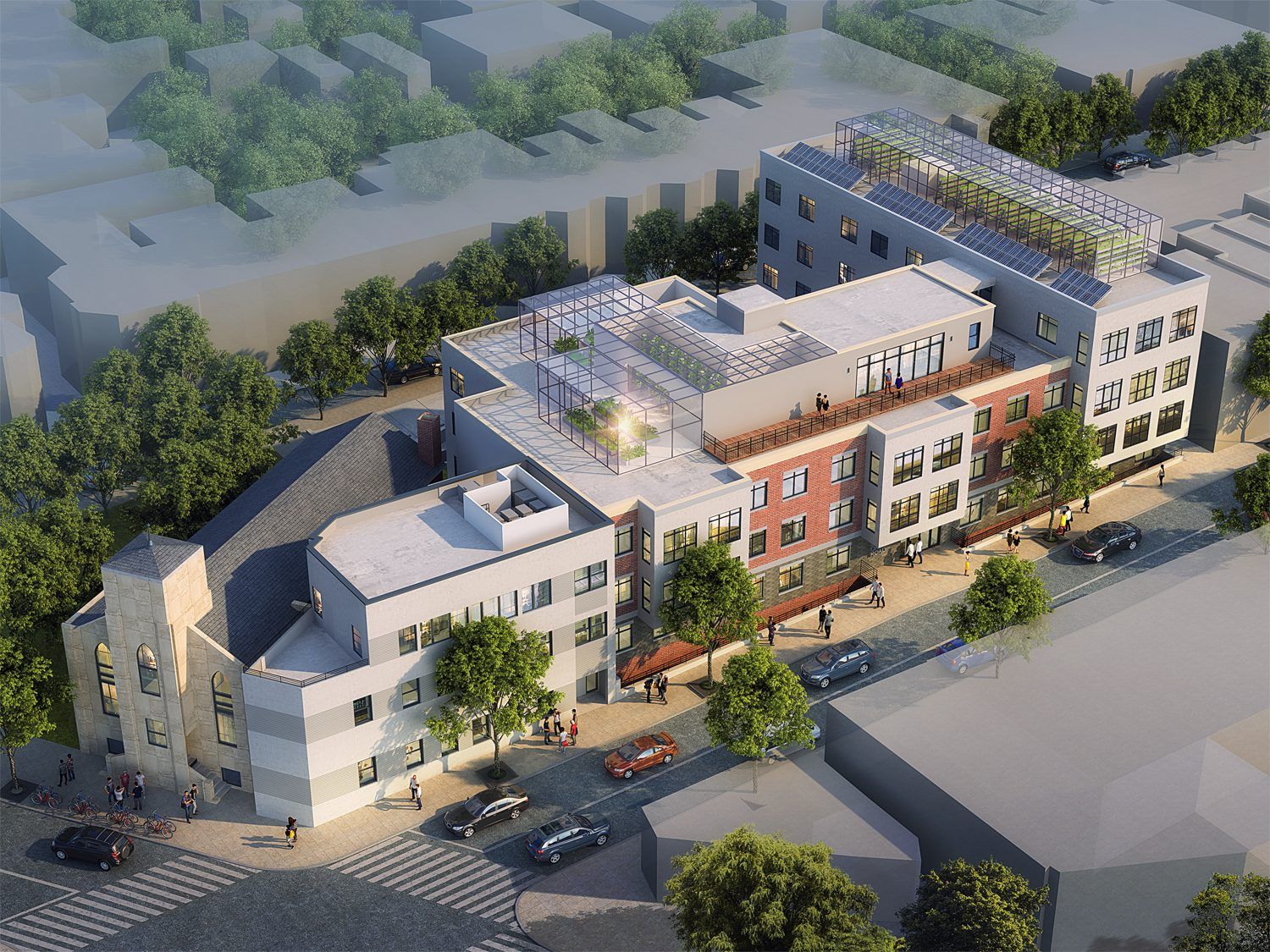
The initiative forms part of Jubilee Housing’s redevelopment of the former King Emmanuel Baptist Church at 1721 Kalorama Road NW and Ontario Place at 2400 Ontario Road NW. Ontario Place broke ground in September 2023 and will provide 52 deeply affordable apartments, including family-sized homes.
Within this community setting, the aquaponics operation and commercial kitchen-training program are designed to connect food production with applied skills development. The model brings housing, workforce preparation, and locally produced food into a shared community asset, creating practical routes to employment, participation, and long-term stability.
From Production to Local Operation
The aquaponics systems are designed to supply the on-site commercial kitchen and support hands-on culinary training. Together, the facilities create a practical setting for participants to build skills in food production, preparation, and day-to-day operations.
Jubilee Housing owns and operates the facility, embedding management and decision-making within the institution and community it serves. The model connects specialized infrastructure with local operational capability, supporting workforce learning and a durable community asset.
Productive Use of Urban Space
Jubilee integrates food-production infrastructure into spaces that would otherwise have limited agricultural use. The project includes a 1,750-square-foot rooftop greenhouse, a second rooftop growing area, a penthouse grow room, and a 2,000-square-foot lower-level farm.
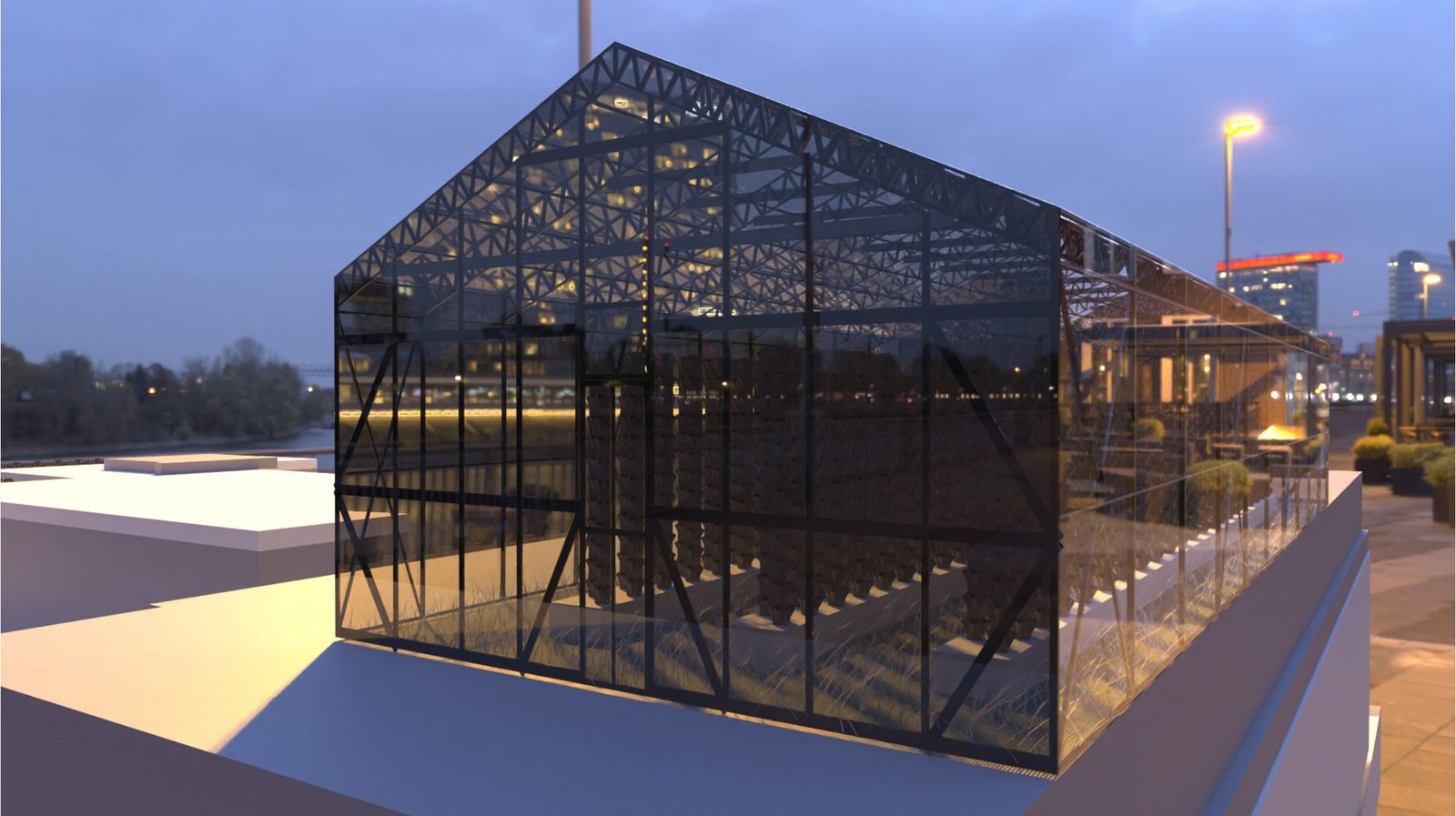
Together, these systems demonstrate how dense urban developments can incorporate fresh-food production and applied training without requiring additional land, linking built infrastructure to practical community benefit.