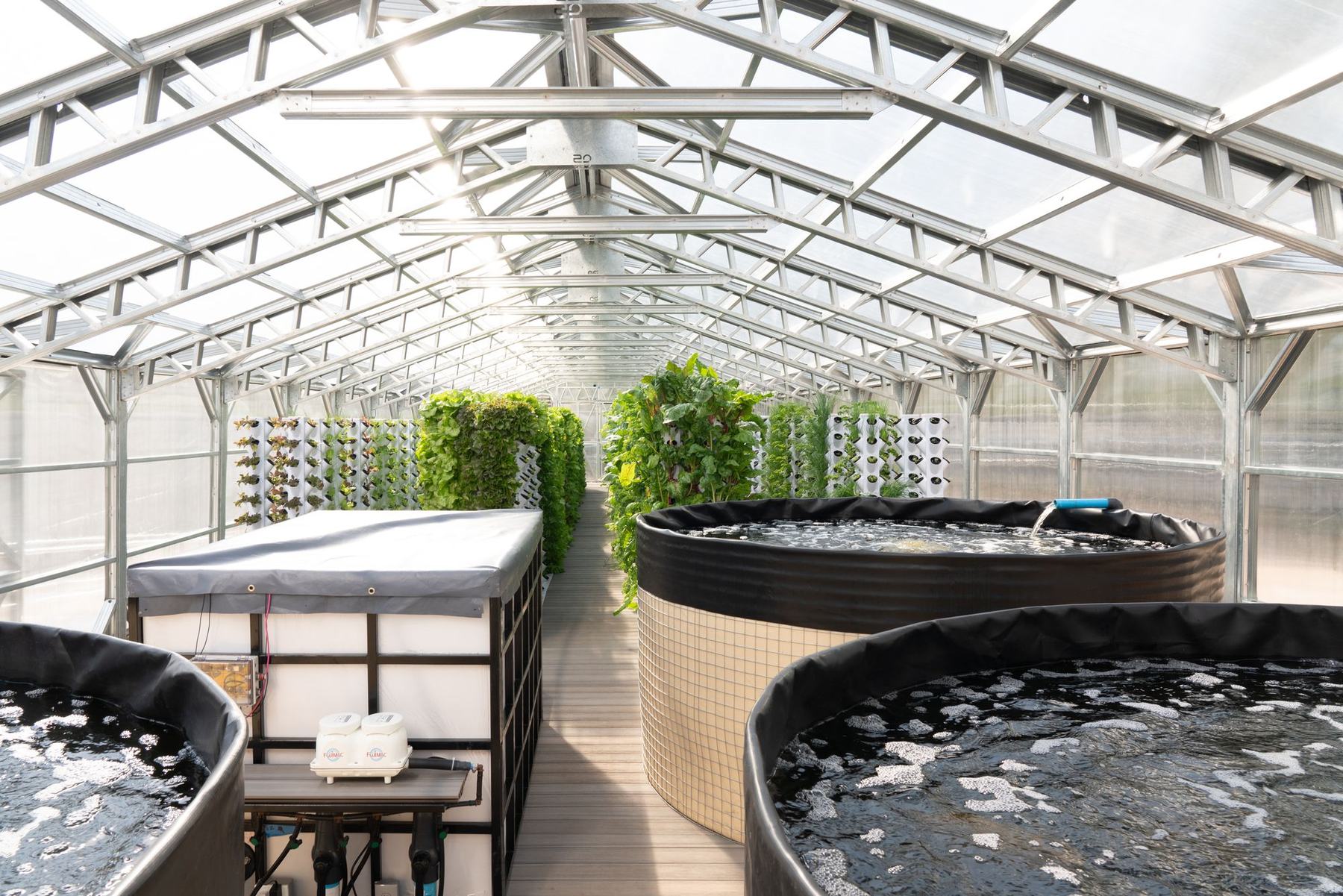
Inside a FreshMinistries aquaponics greenhouse: fish tanks in the foreground, grow towers running the length of the house.
A smarter way to grow. Fish, plants, water, and natural biology work together in a closed-loop system that produces fresh food year-round and helps communities become more resilient.
Inside a FreshMinistries aquaponics greenhouse: fish tanks in the foreground, grow towers running the length of the house.
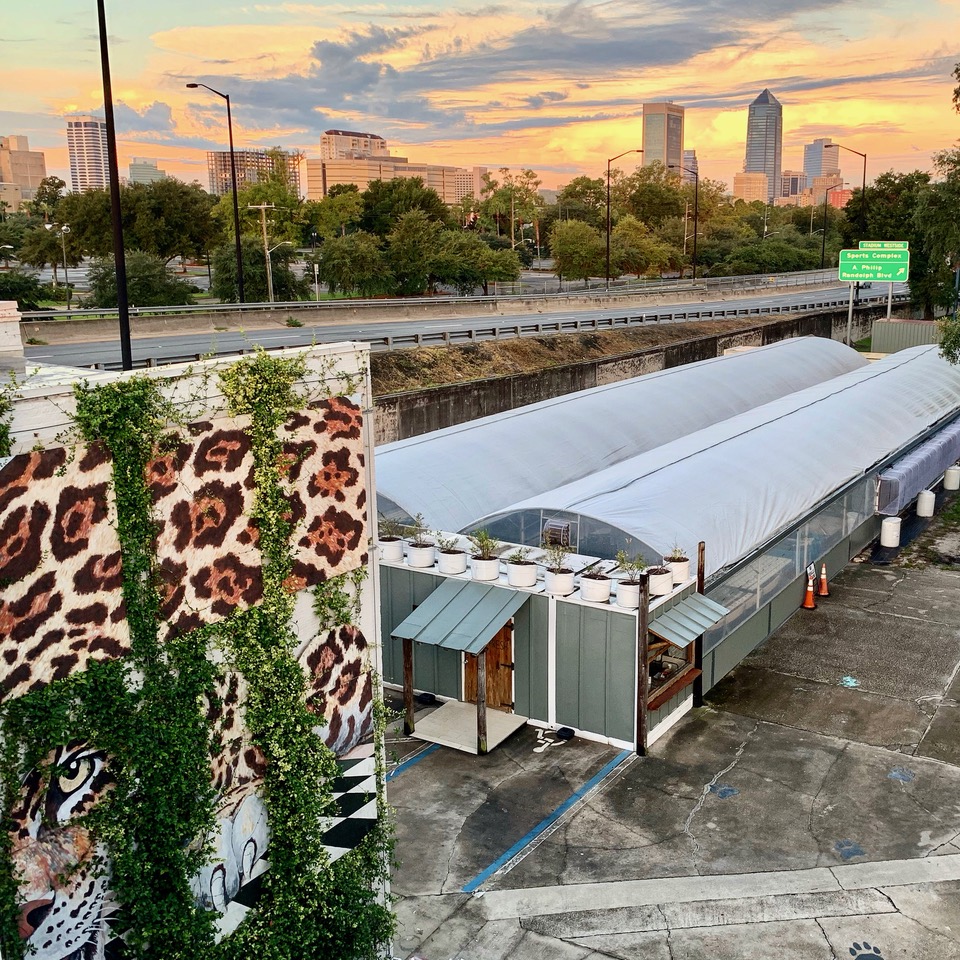
FreshMinistries began its aquaponics work in 2014, learning alongside experts from the University of the Virgin Islands, pioneers in modern aquaponic farming. In 2017 that work came to Jacksonville with a 6,000 square-foot facility behind the Weaver Center for Community Outreach, on the Eastside.
It became a working model for food production, education, and community impact. Produce went to Duval County Public Schools through Chartwells, to local restaurants, and to the Sulzbacher Center. More than 1,500 people came through each month for tours, training, volunteering, and community programs.
Those years shaped the model: grow fresh food, train people, support community programs, and equip partners to build food-production systems of their own. That model still guides the work, in Jacksonville and beyond.
The model that began with aquaponics kept growing. What started as a way to produce fresh food, train people, and support community programs has become Optiponics: a solar-powered food-production platform built for year-round growing, local operation, and long-term impact.
Optiponics keeps the closed-loop, natural foundation of aquaponics and adds precision. Fish, plants, water, and biology stay at the center, but carefully managed macro- and micronutrient dosing creates ideal conditions for a wider variety of crops. The result is a more flexible system: consistent yields, healthier plants, more on the shelf.
Each system is designed to use very little water, run off the grid, and be monitored and supported remotely. Real-time data, digital controls, and satellite connectivity let a team track performance, make adjustments, troubleshoot, and get help from anywhere.
At the center of this next chapter are Harvest Hubs: food-security centers that pair food production with refrigeration, dehydration, training, and local distribution. By extending shelf life, cutting waste, and creating new uses for local produce, they turn growing sites into platforms for jobs, small business, workforce development, and stronger local markets.
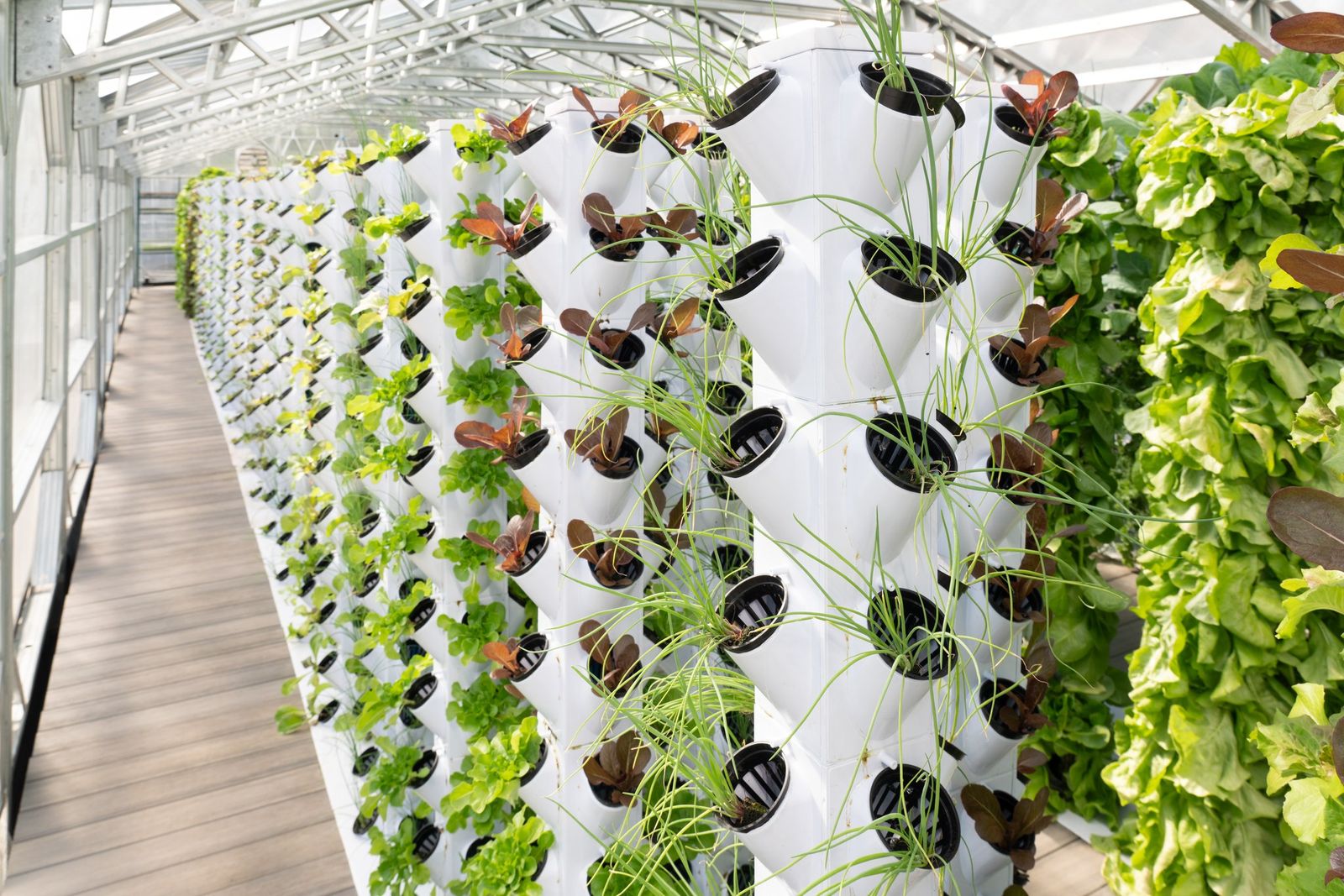
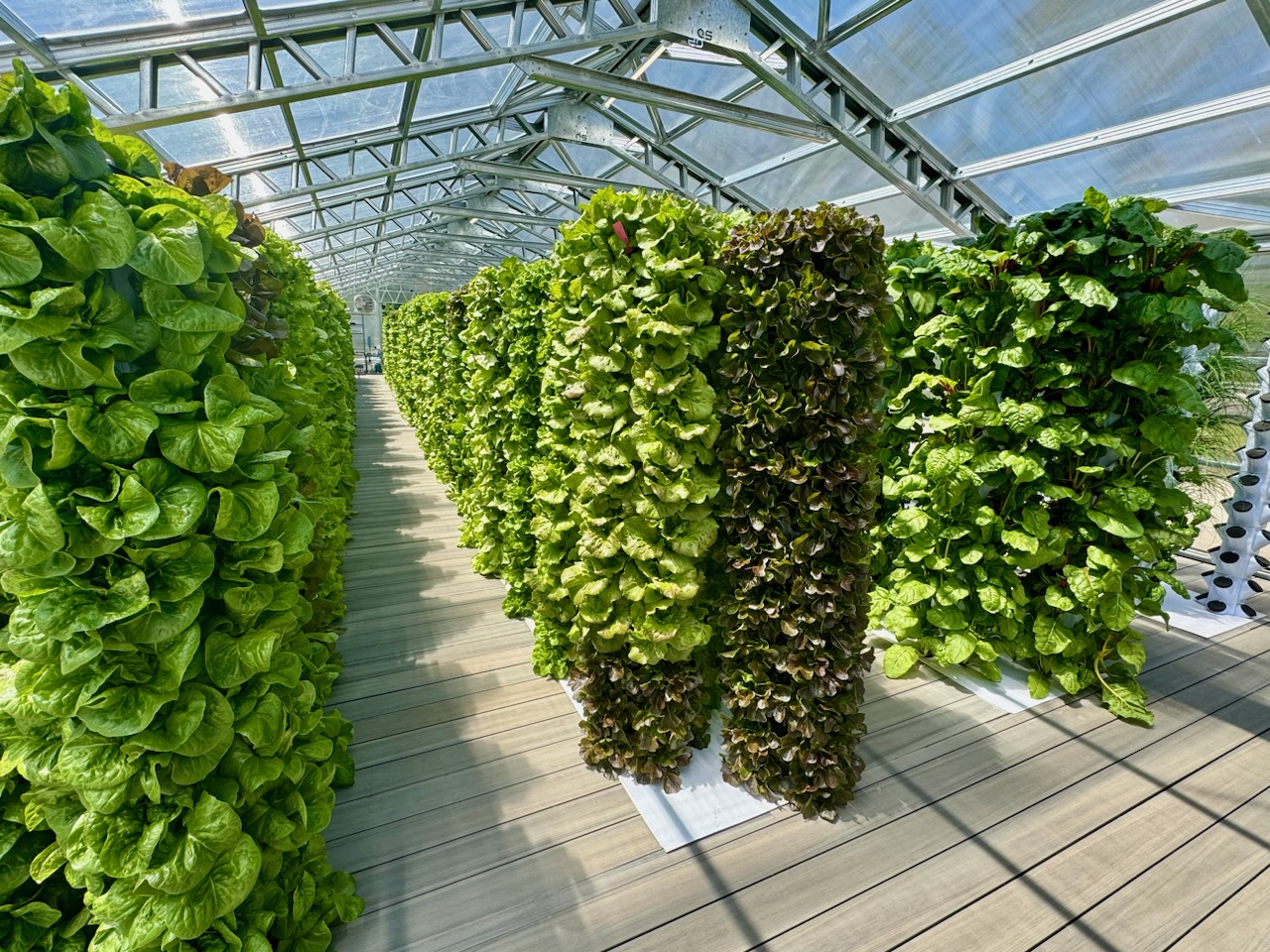 Tower-grown greens
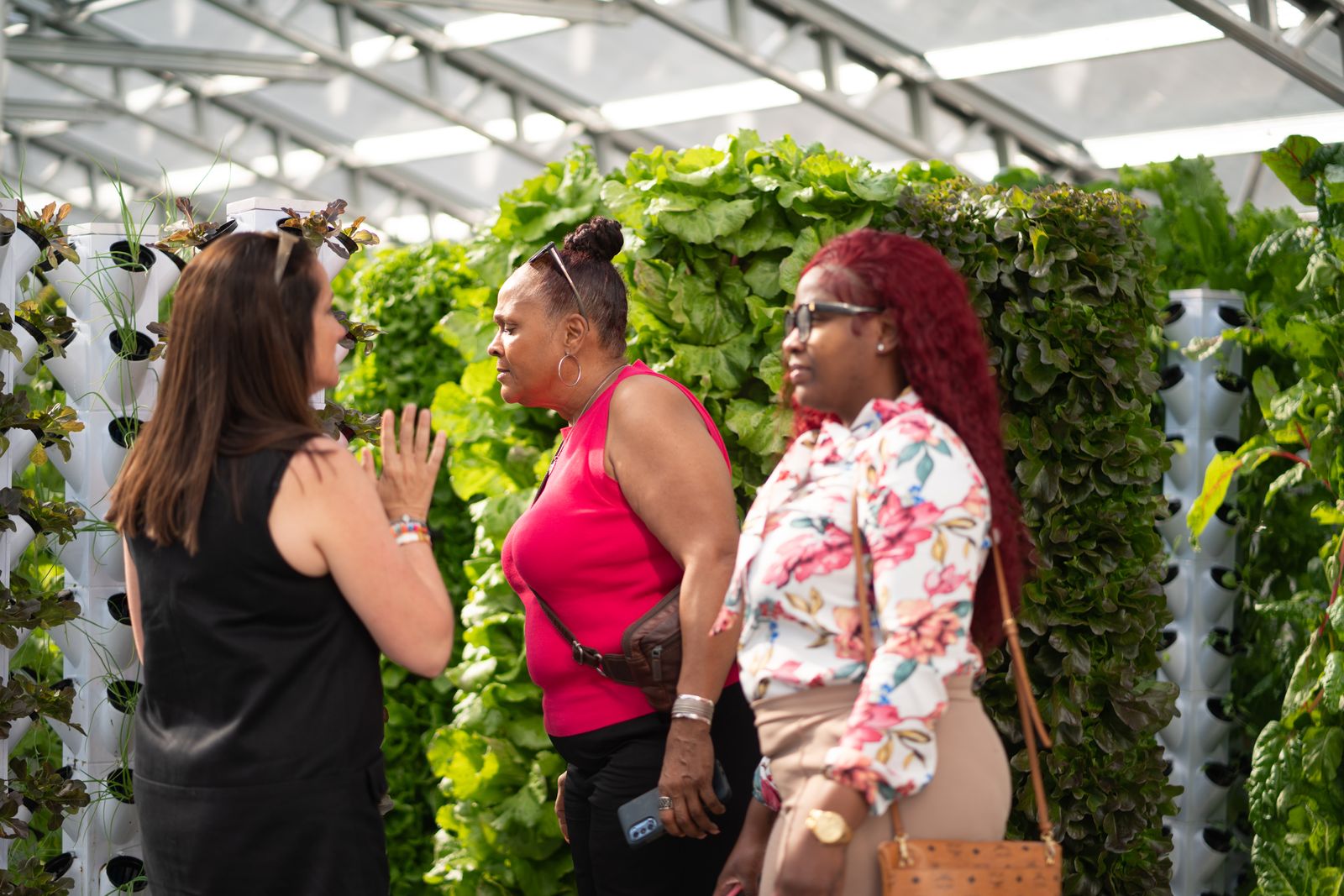 Tours and visitors
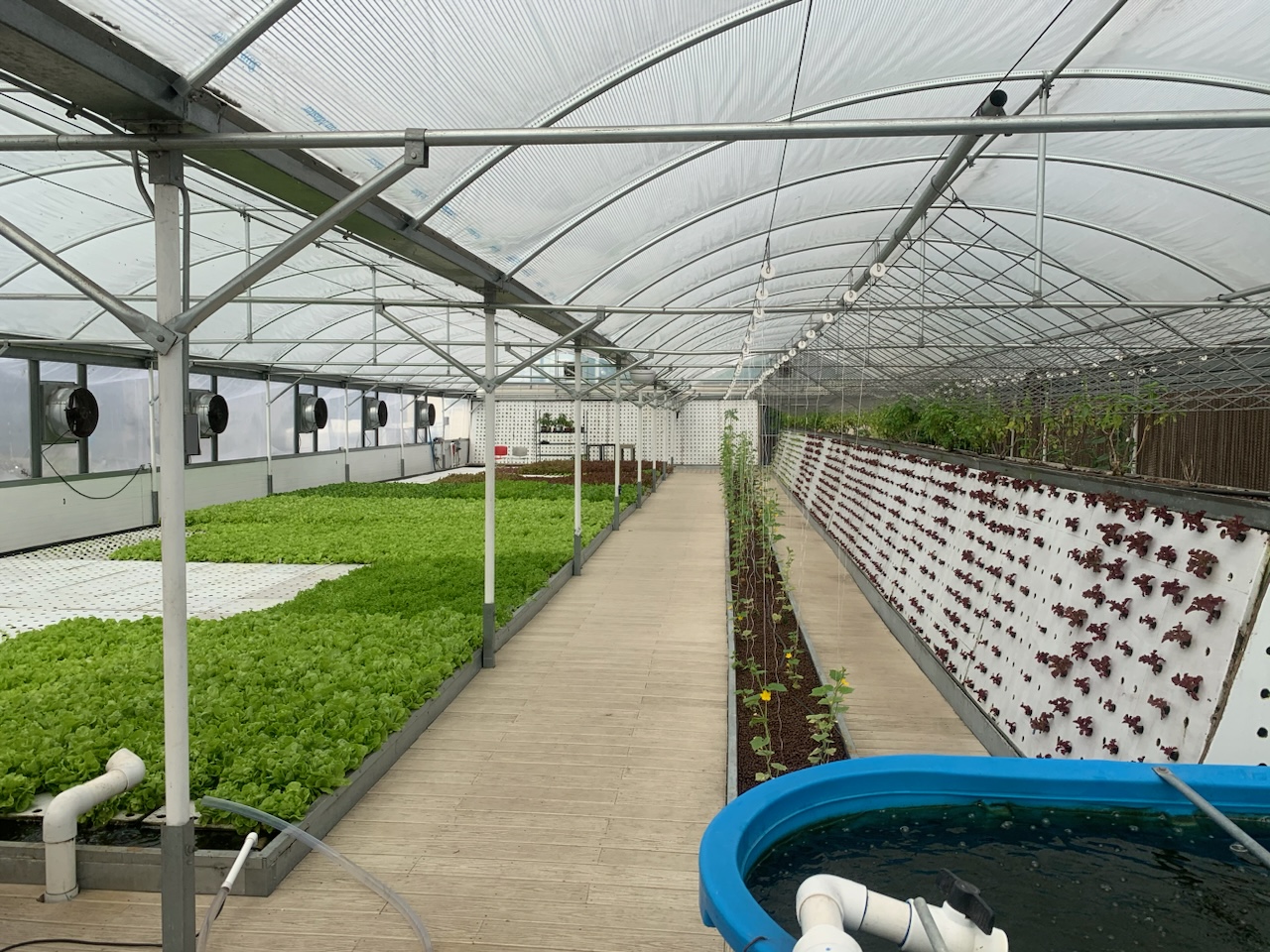 The original facilityInside the greenhouse
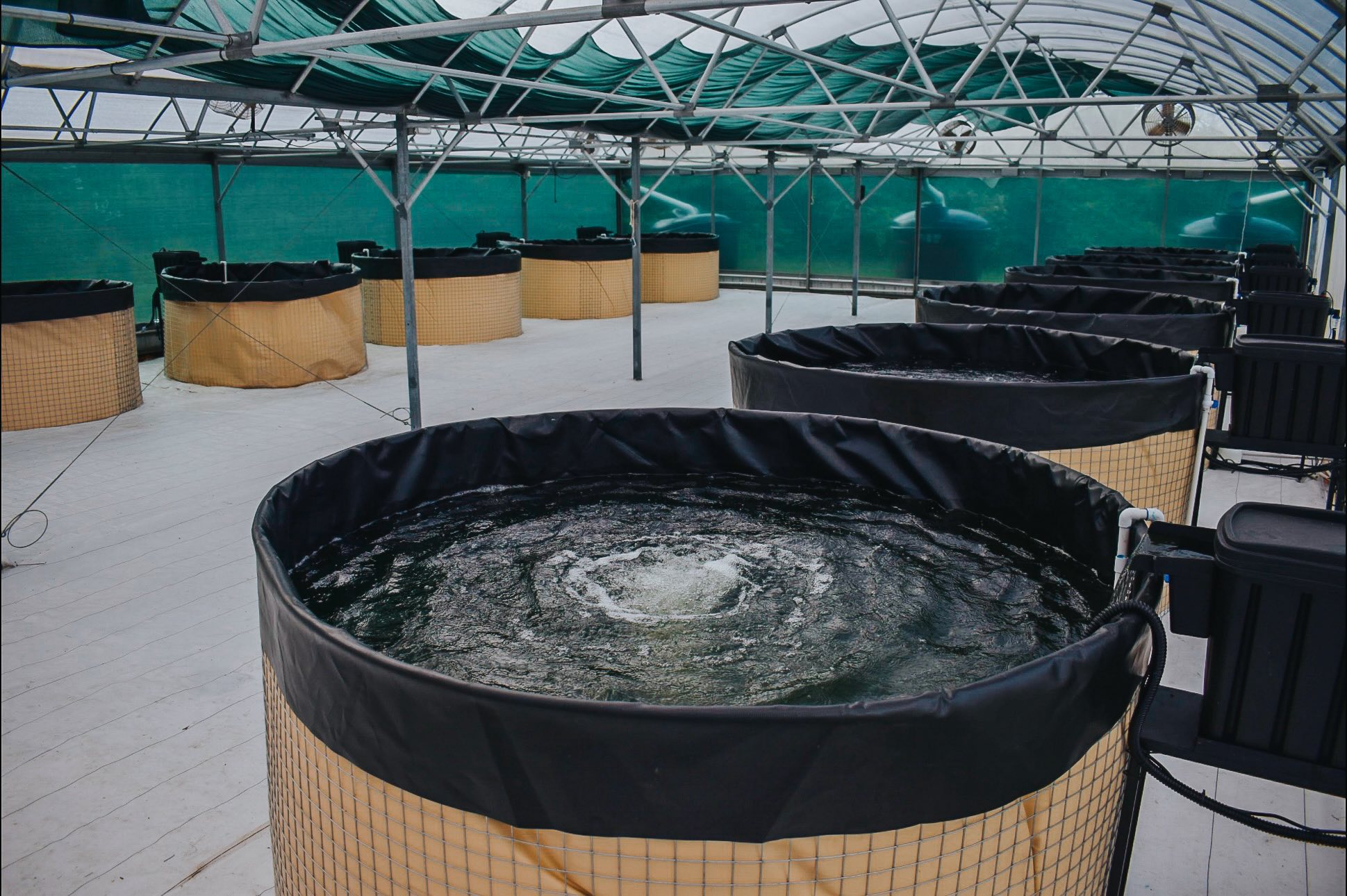 The fish tanks
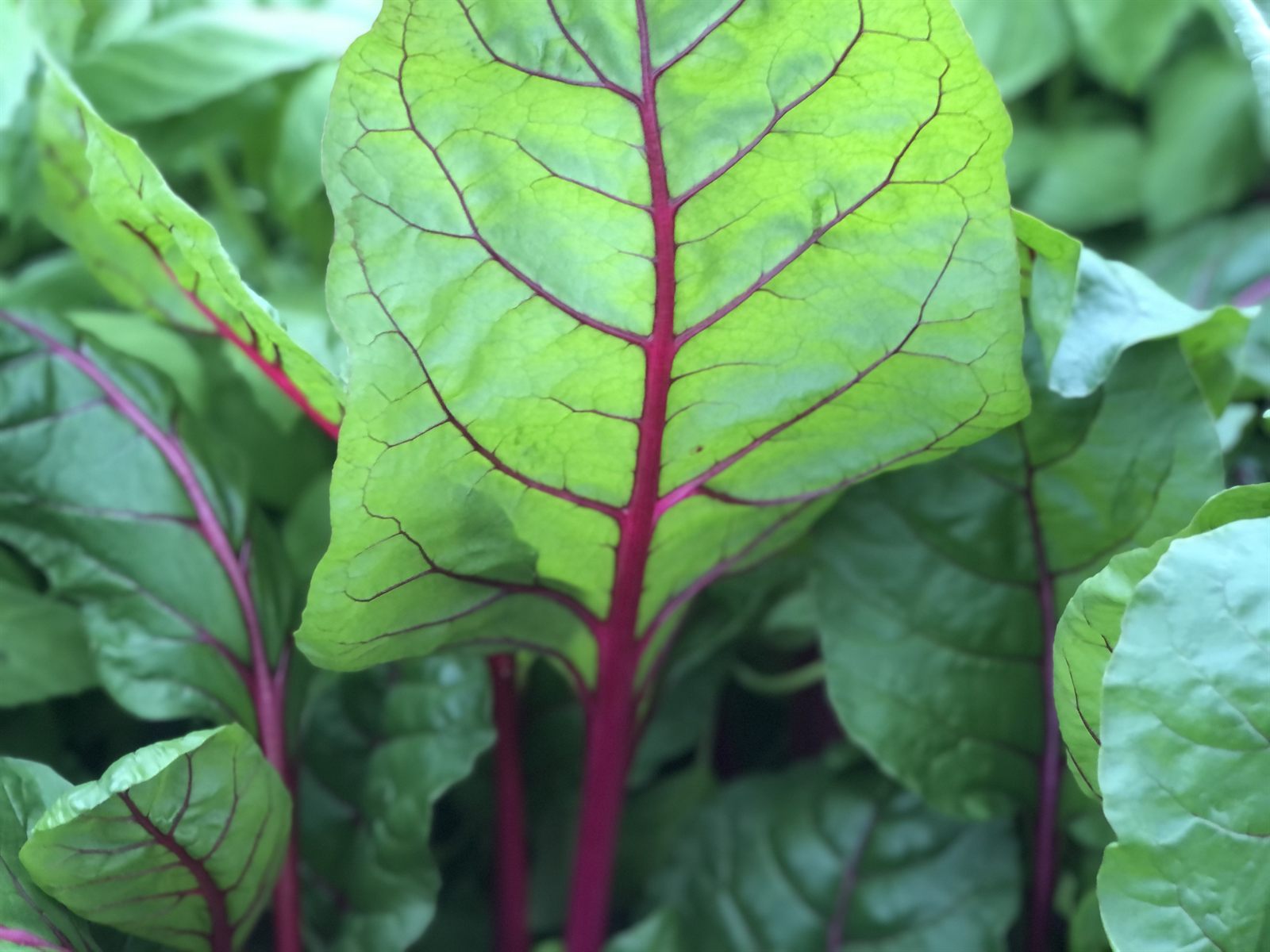 Swiss chard, up close
Solar-powered food systems that help communities grow, store, and sell fresh food locally.
Off-grid greenhouses run on local power. Harvest Hubs add storage, training, and access to markets. It is a model built in Jacksonville and adapted around the world.
See the global workEvery gift helps put a working food system in a community that needs one. It stocks a greenhouse, trains a local team, and keeps fresh food moving. Give today, and we will tell you exactly where it went.